
Finding the Right Manual Lymphatic Drainage Therapist in Philadelphia

“I didn’t expect it to feel this light.” That’s one of the most common things people say during their first manual lymphatic drainage session. If you’re used to deep tissue massage or even firm relaxation work, the gentleness can feel surprising. Sometimes it even sparks doubt. “Is this actually doing anything?”
That reaction makes sense. Many of us were taught that pressure equals progress. If it doesn’t hurt a little, it must not be working. Manual lymphatic drainage quietly challenges that belief. In this article we’ll walk through why light pressure is required, how the lymphatic system actually functions, and why gentleness often produces better results than force.
Key Takeaways
Light pressure is intentional, not accidental
Lymph vessels sit close to the skin’s surface
Deep pressure can slow lymphatic flow
Results build gradually, not instantly
Skill and precision matter more than force
Table of contents
What Is Manual Lymphatic Drainage? | What Is The Lymphatic System?
Why the Lymphatic System Responds to Light Pressure | How the Lymphatic System Differs From Muscles | Where Lymph Vessels Sit in the Body
What Light Pressure Actually Feels Like in a Session
Who Benefits Most From Gentle Lymphatic Techniques | Post-Surgical Clients | Clients Managing Swelling or Lymphedema | Wellness & Nervous System Support
How MLD With Biomat Enhances Results
Looking for Lymphatic Drainage Massage in Philadelphia? | What Clients Are Saying on Google | Booking & Next Steps
What Is Manual Lymphatic Drainage?
Manual lymphatic drainage, often called lymphatic massage, is a specialized therapeutic technique that supports the movement of lymph fluid throughout the body. It focuses on gentle, rhythmic strokes designed to encourage natural drainage pathways rather than manipulating muscle tissue. Unlike a spa massage, manual lymphatic drainage follows a clinical framework developed through medical and rehabilitative settings. The practitioner works with specific rhythms, clear directional patterns, and controlled pressure. Each movement has a purpose and nothing is random.

What Is The Lymphatic System?
The lymphatic system is the body’s quiet cleanup and circulation partner. It moves lymph fluid, which is a clear fluid that carries waste, proteins, and immune cells, out of tissues and back into the bloodstream. Unlike blood circulation, it doesn’t have a pump pushing things along. It relies on breathing, movement, and gentle stimulation to keep fluid flowing.
This system plays a key role in immune function and fluid balance. When it’s working smoothly, swelling stays in check and tissues feel light and responsive. When flow slows, fluid can linger. Puffiness appears. Healing can take longer, and the body may feel heavy or congested.
Why the Lymphatic System Responds to Light Pressure
Light pressure works because it mirrors how the lymphatic system already functions. Breathing, walking, and small body movements all create gentle shifts that encourage flow. Manual lymphatic drainage builds on those same principles. Instead of overpowering the body, it gives the lymphatic system a nudge in the right direction. That’s why sessions feel calm and measured rather than intense.

How the Lymphatic System Differs From Muscles
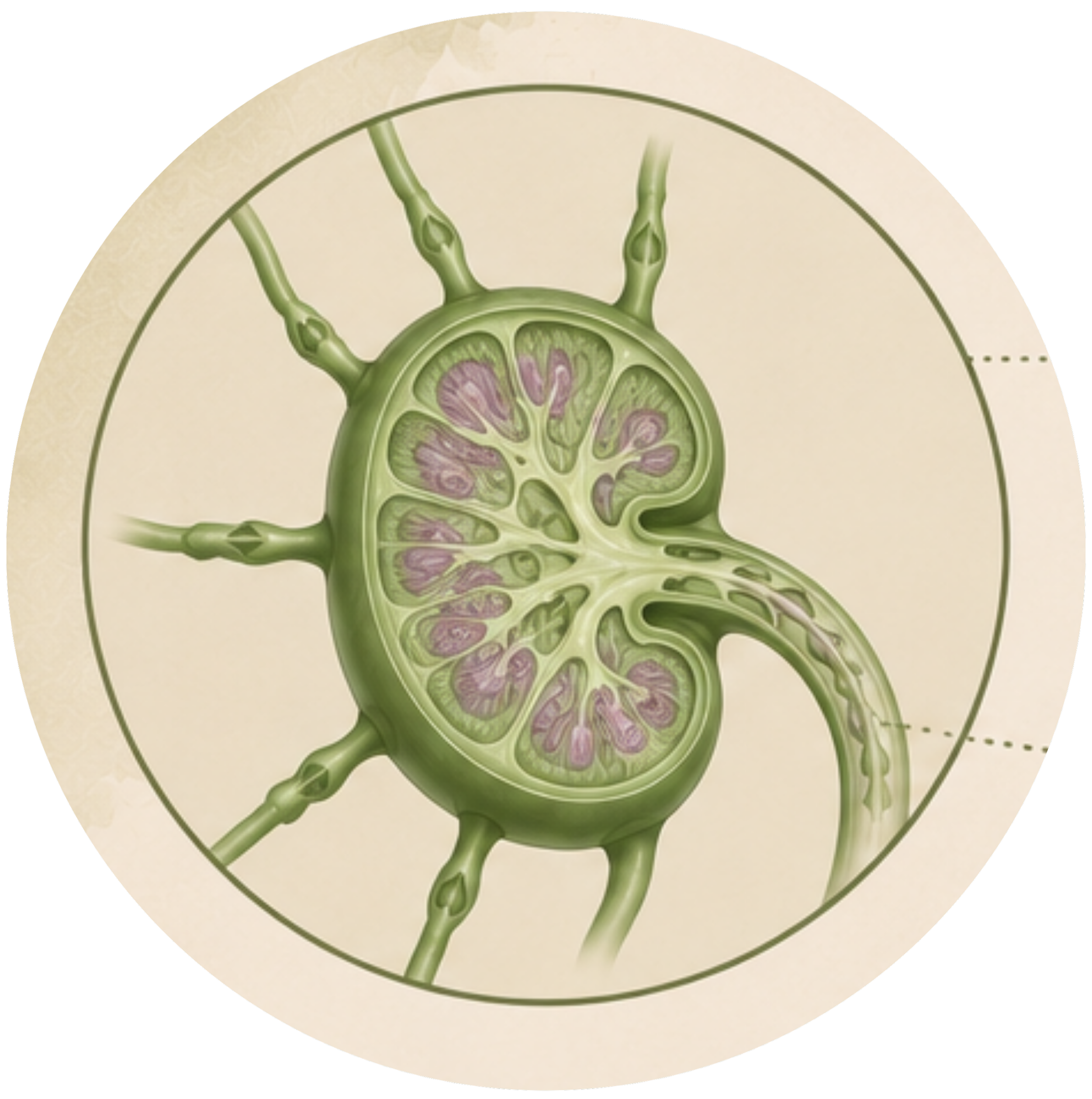
The lymphatic system doesn’t have a central pump like the heart. It depends on subtle stimulation to keep fluid moving. It’s meant to respond to gentle signals rather than strong compression. Muscles benefit from pressure because they’re dense and elastic. Lymph vessels are delicate. They rely on light skin stretch and release to open and close properly. When pressure is appropriate, the vessels respond almost reflexively, allowing fluid to shift in the intended direction.
This is why manual lymphatic drainage often feels calm and unhurried. The technique matches the pace of the system itself. For clients, this can feel counterintuitive at first. For the body, it feels familiar.
Where Lymph Vessels Sit in the Body
Most lymphatic vessels sit just beneath the skin, far closer to the surface than muscle tissue. Because of this placement, heavy pressure can flatten them temporarily, slowing the very flow the session aims to support.
What Light Pressure Actually Feels Like in a Session
Clients often describe manual lymphatic drainage as subtle, slow, and deeply calming. The strokes are gentle, with a steady rhythm that feels almost meditative.
Who Benefits Most From Gentle Lymphatic Techniques
Gentle lymphatic techniques are useful for a wide range of people because lymph flow affects many systems at once. Anyone experiencing swelling, fluid retention, or recovery stress can benefit from an approach that supports circulation without strain. This work meets the body where it is rather than pushing it beyond what feels safe or productive.
Post-Surgical Clients
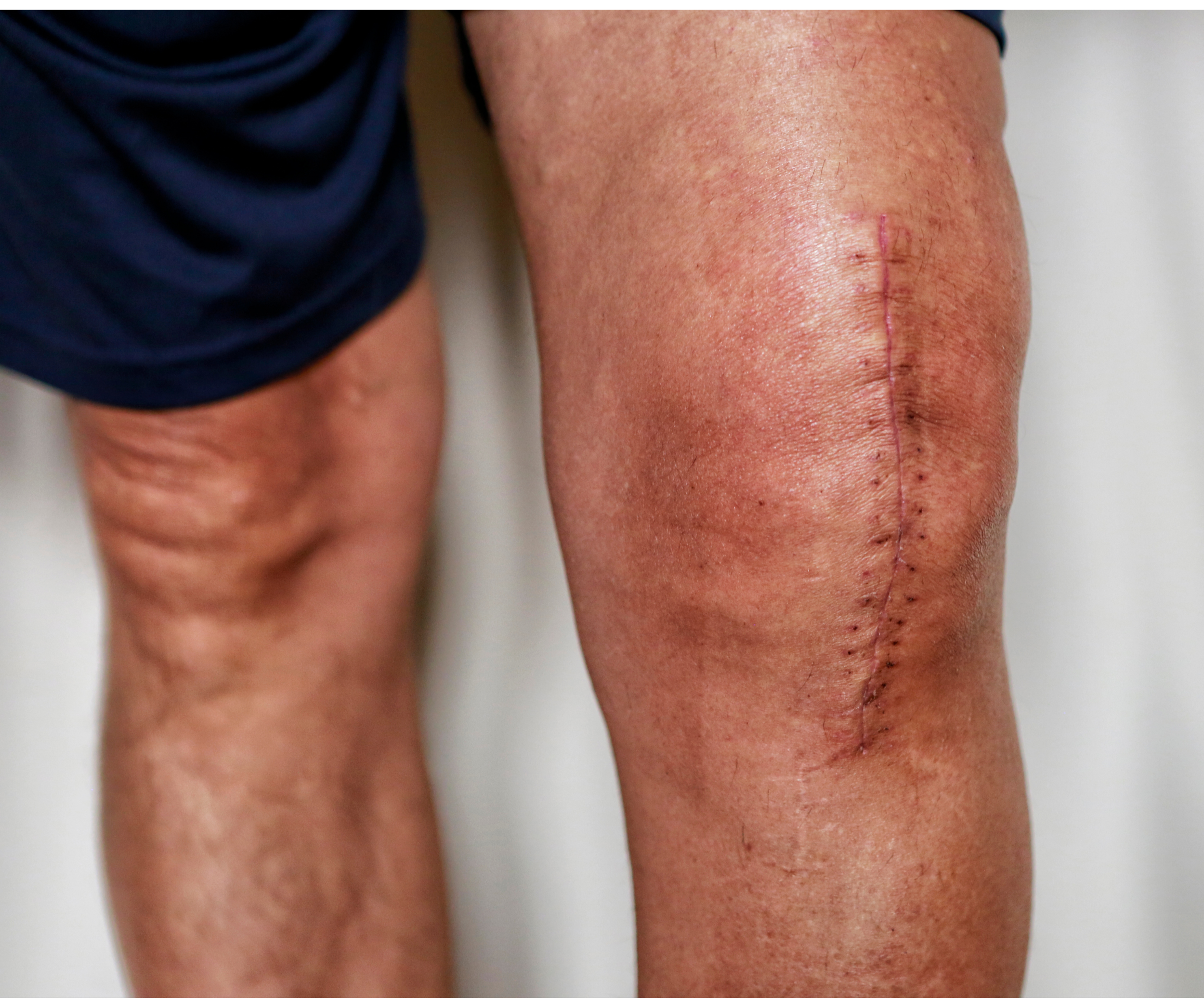
After surgery, tissues are sensitive and healing timelines matter. Gentle manual lymphatic drainage supports fluid movement without disrupting repair processes. On the other hand, forceful work can irritate healing tissues or increase inflammation. Light pressure respects the body’s healing pace while still encouraging circulation. For post-surgical clients, this balance supports comfort and steady progress.
Clients Managing Swelling or Lymphedema
For those managing chronic swelling or lymphedema, safety comes first. Consistency matters more than intensity. Gentle lymphatic techniques help maintain flow without overwhelming fragile vessels. Over time, regular sessions can support long-term management goals. The focus stays on stability, comfort, and gradual improvement rather than aggressive change.
Wellness & Nervous System Support
Manual lymphatic drainage also influences the nervous system. The slow rhythm and light touch encourage a parasympathetic response, helping the body shift into a calmer state. Many clients notice stress reduction as a secondary benefit. Sleep improves. Tension softens. The body feels more regulated overall, even beyond physical changes.

How MLD With Biomat Enhances Results
At Philadelphia Lymph & Bodywork, manual lymphatic drainage can be paired with Biomat therapy. The Biomat provides gentle warmth and infrared support, creating an environment that encourages relaxation and circulation. This combination supports immune system function, fluid movement, and overall comfort. The warmth helps the body settle, making it easier for lymphatic work to do its job. The focus stays on recovery support and nervous system calm rather than intensity. All clients are evaluated contraindications before BioMat’s integration.
Biomat therapy doesn’t replace skilled manual work. It supports it. Together, they offer a layered approach that many clients find grounding, especially during recovery or periods of stress.

Looking for Lymphatic Drainage Massage in Philadelphia?
Searching for manual lymphatic drainage massage in Philadelphia often brings up a wide range of options, which can feel overwhelming if you’re new to this type of care. Not all manual lymphatic drainage is the same. Training, technique, and clinical understanding make a meaningful difference in how the body responds. At Philadelphia Lymph & Bodywork, care is rooted in education and experience. Each session is guided by anatomy, recovery needs, and clear intention rather than routine pressure.
What Clients Are Saying on Google

Clients often mention feeling heard and safe. Many describe noticing changes gradually rather than immediately, which helps set realistic expectations. The theme that appears most often is consistency. Results build when care feels steady and informed.
-
“It’s always extremely clean. It’s a calm serene atmosphere and the tables is always nice and warm. Orlando is very empathetic with all your needs and ailments and makes it as comfortable as possible. You leave here feeling very relaxed.”
-
“Orlando is a skilled massage therapist. Highly recommend his practice! He makes me feel very comfortable, listens to concerns, plays jazz (one of my favorites!) and has a healing touch. Great for deep tissue work or for lymphatic drainage.”
-
“Fantastic. He was wonderful, flexible with my schedule, and very knowledgeable. I couldn’t have asked for a better experience.”
These reviews highlight what sets MLD with Biomat apart: warmth, safety, education, and visible results.
Booking & Next Steps
If you’re considering manual lymphatic drainage massage in Philadelphia, the next step is simple. Booking a first session allows your practitioner to understand your needs and guide you through what to expect. Care begins with clarity.

SUMMARY
Manual lymphatic drainage asks for a shift in perspective. Effective care doesn’t always announce itself loudly. Sometimes it works quietly, in layers, over time. If you’re curious about manual lymphatic drainage in Philadelphia, you can book your first session, schedule care that supports recovery, or begin with a gentle reset for your system. Each path starts with listening to your body and choosing care that honors it.