
What Post-Surgical Clients Should Know About Manual Lymphatic Drainage
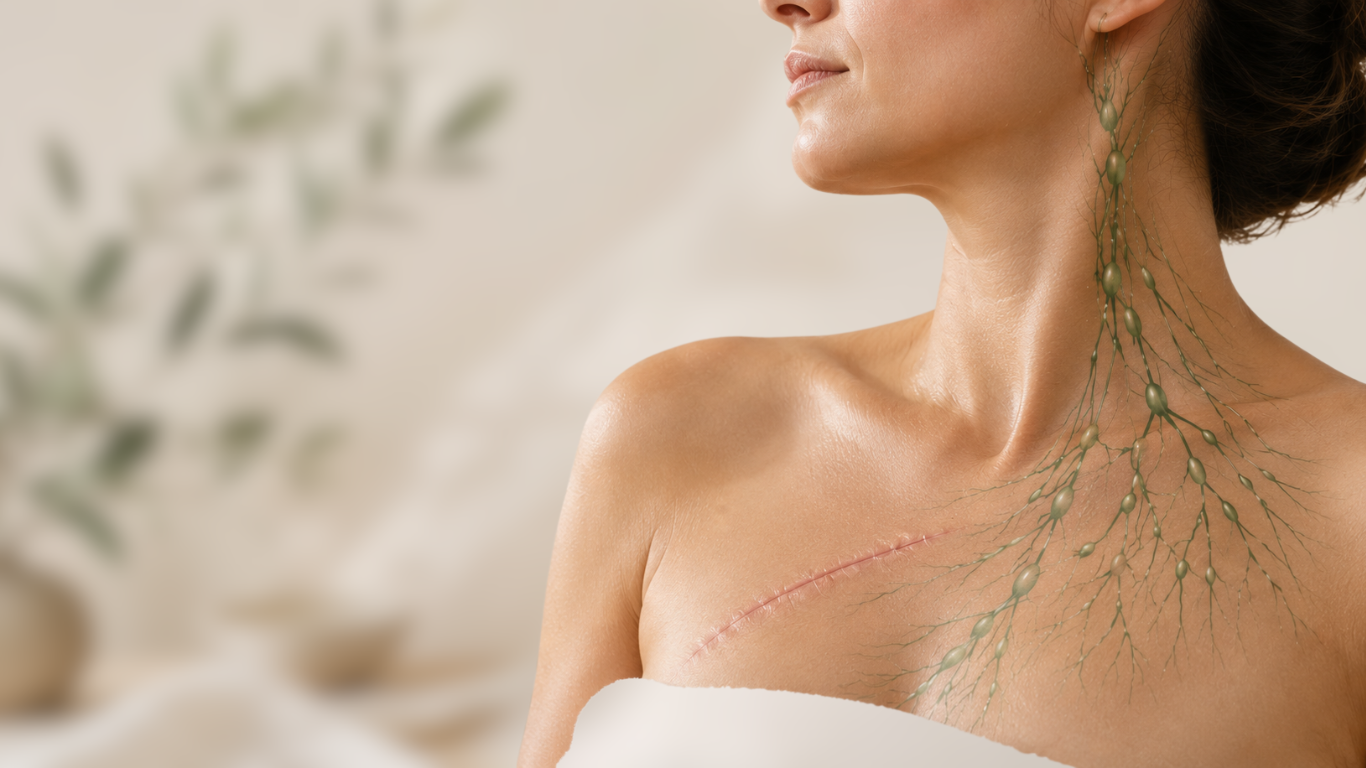
After surgery, there’s a moment most people don’t talk about. You’re home, the procedure is done, and now you’re left with a new question: What do I do next? Swelling shows up. The area feels tight. Your body doesn’t quite feel like your own yet. Even small decisions start to feel bigger than they should.
That’s usually when Manual Lymphatic Drainage (MLD) enters the conversation. You might hear that it helps with swelling or speeds up recovery—but knowing when to start, what it should feel like, and how to approach it safely can feel unclear. And let’s be honest, the last thing you want right now is more confusion.
This guide is for anyone recovering from surgery or preparing for it, who wants a clear, grounded understanding of lymphatic drainage. We’ll walk through what MLD actually does, what to expect during a session, how timing works, and how to choose the right provider. At Philadelphia Lymph & Bodywork, care starts with education. Because when you understand your body, recovery stops feeling like guesswork.
Key Takeaways
Manual Lymphatic Drainage supports fluid movement after surgery
The technique is light, slow, and should never feel painful
Timing depends on your body and your surgeon’s guidance
Early sessions can help reduce swelling and improve comfort
Choosing a thoughtful provider matters just as much as the treatment
Table of contents
What Is Manual Lymphatic Drainage After Surgery? | What Post-Surgical Lymphatic Drainage Actually Feels Like| When to Start Lymphatic Drainage After Surgery| Safety Considerations and What to Be Mindful Of
Emotional Reassurance: You’re Not Behind in Your Recovery
How to Choose the Right Lymphatic Drainage Provider
Looking for Manual Lymphatic Drainage? | Why Choose Philadelphia Lymph & Bodywork | What Clients Are Saying on Google
What Is Manual Lymphatic Drainage After Surgery?
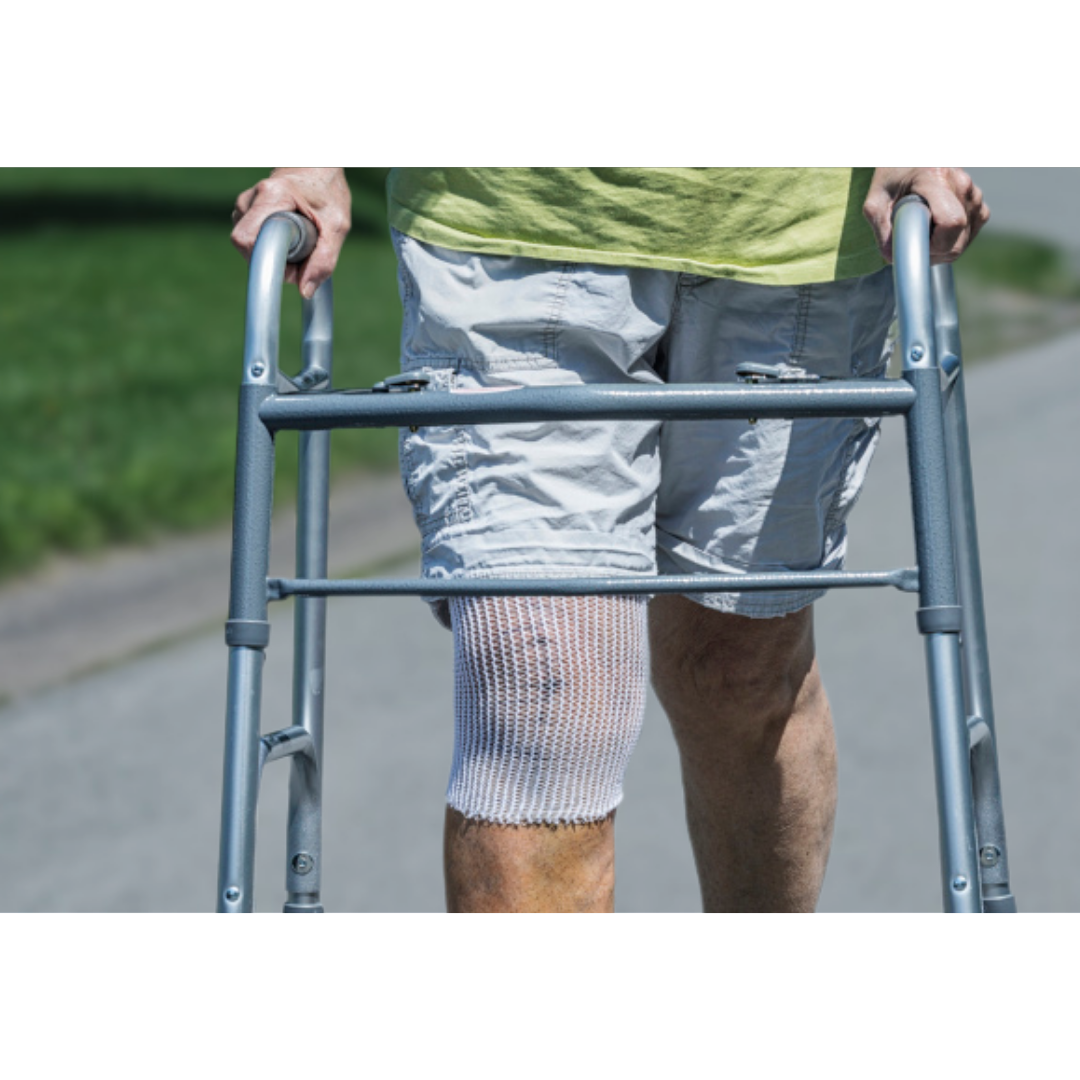
Manual Lymphatic Drainage after surgery is a gentle, structured technique designed to support how your body processes fluid during recovery. After any surgical procedure, the body creates inflammation as part of healing. That response is expected—but it also brings fluid buildup, swelling, and sometimes discomfort. Think of it as your body doing repair work, but leaving some extra “baggage” behind.
MLD helps guide that excess fluid through the lymphatic system so it doesn’t linger longer than necessary. This can help reduce swelling, ease pressure, and support smoother recovery.
It’s important to understand the tone of the work. This isn’t deep or forceful massage. It’s slow, intentional, and follows the body’s natural drainage pathways. Early support can help reduce the likelihood of complications like fluid pockets or fibrosis, while also improving comfort and mobility.
What Post-Surgical Lymphatic Drainage Actually Feels Like
If you’re expecting pressure, you’ll probably be surprised. MLD feels light. Very light. The movements are slow, rhythmic, and focused on guiding fluid rather than working into muscle. For someone used to traditional massage, it can feel almost too subtle at first.
A common thought is: Is this really doing anything?
The answer lies in anatomy. The lymphatic system sits just beneath the skin. It doesn’t respond well to force. In fact, too much pressure can slow things down instead of helping. Sessions often begin and end with deep, diaphragmatic breathing. This supports natural fluid movement. The therapist typically works from unaffected areas first, then gradually addresses areas with more swelling. Movements follow a proximal-to-distal pattern to encourage proper drainage.
Most people feel a sense of calm during the session. Afterward, it’s common to notice:
• increased urination
• a lighter feeling in the body
• reduced swelling or bloating
• mild fatigue or thirst
These are signs your body is processing fluid more efficiently.
When to Start Lymphatic Drainage After Surgery
Timing is one of the most common questions and the answer depends on more than just the calendar. In many cases, MLD can begin within the first few days after surgery, often between 24–72 hours, as long as your surgeon gives approval. Early sessions can help manage swelling before it becomes more stubborn.
That said, readiness matters more than timing alone. Your body needs to be stable enough to respond to treatment. Incisions, tenderness, and overall recovery progress all play a role. Starting too aggressively or too early without guidance can slow things down instead of helping. There’s also reassurance in this: starting later doesn’t mean you’ve missed your window. The lymphatic system responds to support at many stages of recovery.
The better approach is to listen to your provider, to your surgeon, and to your body.

Safety Considerations and What to Be Mindful Of
Post-surgical care requires awareness. Not fear, just attention. MLD should always be performed with a gentle, informed approach.
A skilled therapist will consider:
• incision sites and healing stages
• areas of swelling and fluid accumulation
• your overall recovery timeline
• your comfort during the session
The treatment typically starts with unaffected lymph nodes and regions before addressing areas with swelling. This helps create space for fluid to move safely. Communication matters here. If something feels uncomfortable, it should be addressed immediately. Your body is already doing a lot, and support should never feel overwhelming. Safety comes from how the work is done, not how intense it feels.
Emotional Reassurance: You’re Not Behind in Your Recovery
This part matters more than most people expect. It’s easy to compare your recovery to what you see online or hear from others.
Someone else looks “healed” faster. Someone else’s swelling went down sooner.
But recovery doesn’t follow a straight line. Some days feel better. Some days feel slower. That doesn’t mean something is wrong, it means your body is doing its job at its own pace. Lymphatic drainage supports that process, but it doesn’t rush it. Progress tends to happen gradually. Subtle shifts at first, then more noticeable changes over time. If you feel uncertain, frustrated, or impatient, that’s part of the experience too.
You’re not behind. You’re healing.
How to Choose the Right Lymphatic Drainage Provider
Not all lymphatic drainage sessions are the same and after surgery, that difference matters.
A strong provider focuses on clarity. They explain what they’re doing and why. They adjust based on your body, not a preset routine.
Look for:
• experience with post-surgical clients
• a gentle, informed approach
• clear communication
• willingness to answer questions
Pay attention to how you feel during the consultation. Do you feel heard? Do you feel rushed?
Red flags tend to be obvious when you know what to look for. Aggressive techniques, unrealistic promises, or pressure to commit quickly usually point in the wrong direction.
The right provider helps you feel safe, informed, and in control of your decisions.

Looking for Manual Lymphatic Drainage Treatments in Philadelphia?
Philadelphia has no shortage of options. That can be helpful but also overwhelming when you’re trying to choose carefully.
Taking your time is part of the process.
Lymphatic drainage after surgery requires attention to detail, pacing, and an understanding of recovery. Providers who prioritize education tend to create a more grounded experience.
When you understand what’s happening in your body, the entire process feels less uncertain.
Why Choose Philadelphia Lymph & Bodywork
Philadelphia Lymph & Bodywork approaches post-surgical care with that level of awareness. Each session begins with conversation. What are you noticing? What’s changed? What feels uncomfortable?
From there, the treatment adapts. The pace stays steady. The focus stays on supporting your recovery without pushing beyond what your body is ready for.
There’s an emphasis on explanation throughout the session. Clients often leave understanding more than when they arrived.

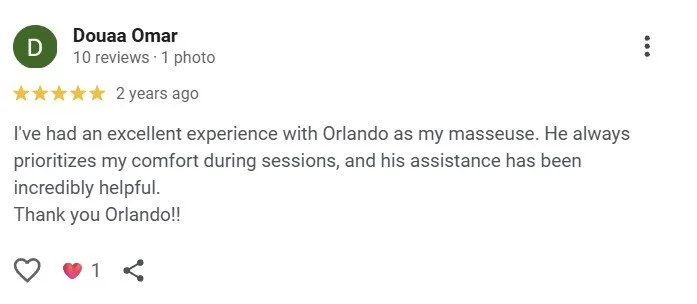
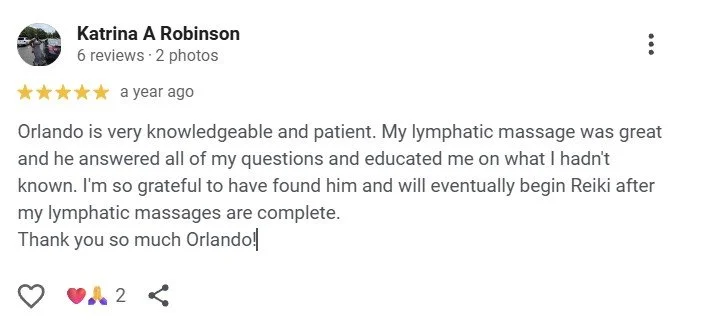
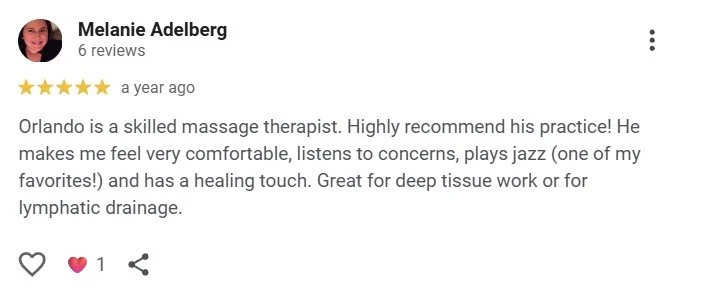
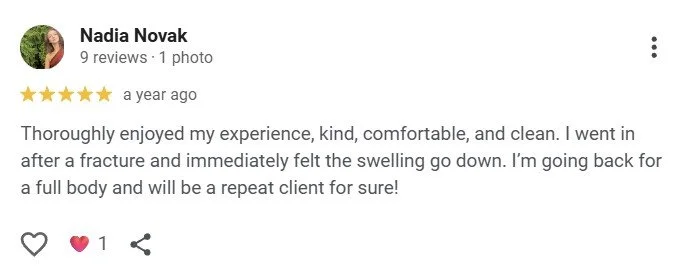
What Our Clients Saying on Google
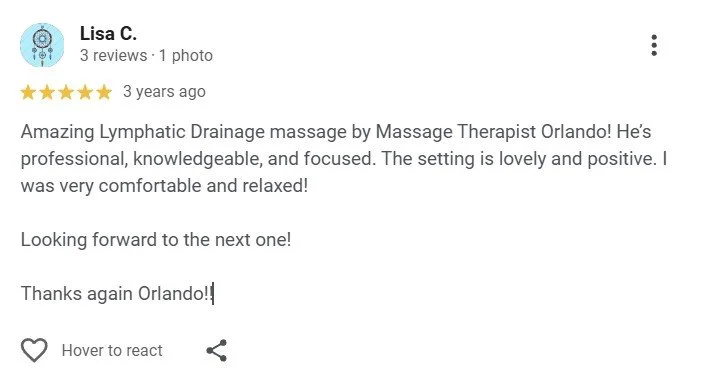
Client experiences tend to reflect the same themes. People talk about feeling supported during recovery. They mention how helpful it is to have someone explain what’s happening rather than rushing through treatment.
There’s also appreciation for the pacing. Sessions feel calm, thoughtful, and aligned with what the body needs in that moment.
You can read those experiences here:
















SUMMARY
Recovery after surgery takes time. There’s no shortcut around that—but there are ways to support how your body moves through it. Manual Lymphatic Drainage offers a gentle, structured way to help manage swelling, improve comfort, and support fluid movement during healing. When you understand what to expect, the process feels less uncertain.
You don’t have to guess your way through recovery.