
Lymph Nodes, Fluid Flow, and Healing: A Simple Breakdown

Have you ever noticed how your body gives you signals before it gives you answers? A little swelling that doesn’t quite shake off. It’s not dramatic, but it’s enough to make you pause.
Most of the time, those signals trace back to something working quietly beneath the surface, your lymphatic system. This system acts like your body’s sanitation and defense network. It’s constantly moving and processing, even when you don’t feel it.
This guide is for anyone who wants to understand what’s actually happening inside their body when those subtle changes show up. We’ll break down how lymph nodes work, how fluid flows through the system, and how it connects to everyday experiences like swelling or fatigue. At Philadelphia Lymph & Bodywork, understanding is always the starting point. Because when things make sense, your next step feels a lot more grounded.
Key Takeaways
Lymph nodes act like checkpoints that filter and monitor fluid
Lymph fluid moves slowly and depends on movement and breathing
Swelling and heaviness often reflect changes in flow, not failure
The lymphatic system supports healing, balance, and immune function
Table of contents
What Are Lymph Nodes and What Do They Do? | How Lymph Fluid Moves Through the Body
Why Fluid Flow Can Slow or Feel “Stuck” | How Lymph Nodes and Fluid Flow Connect to Everyday Experiences
Looking for Manual Lymphatic Drainage? | Why Choose Philadelphia Lymph & Bodywork | What Clients Are Saying on Google | Booking & Next Steps
What Are Lymph Nodes and What Do They Do?
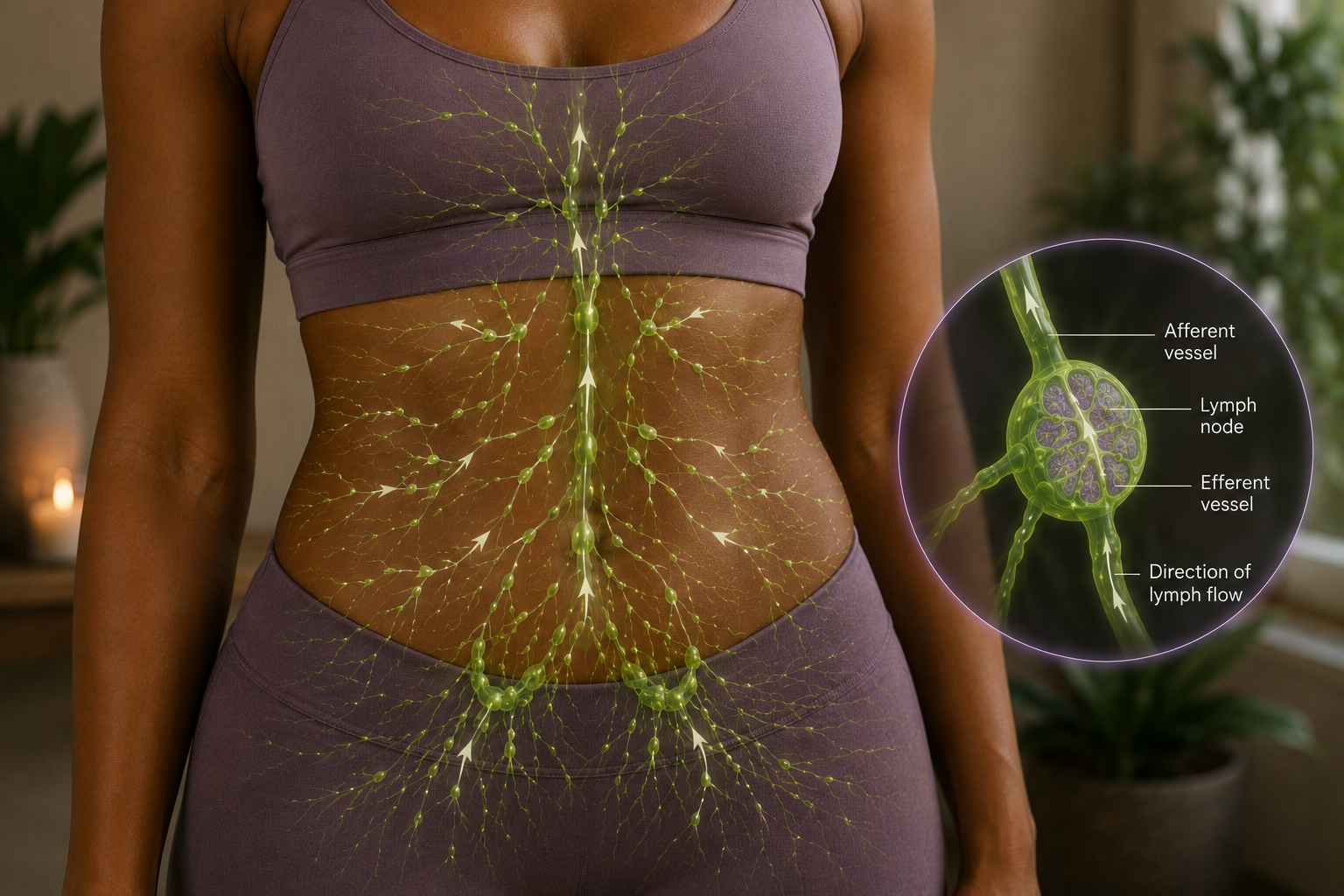
Lymph nodes are small, bean-shaped structures that act like filter stations throughout your body. You’ll find them in areas like your neck, underarms, and groin, but they’re part of a much larger network that spans from head to toe.
Their role is straightforward but important. As lymph fluid moves through the body, it passes through these nodes where unwanted particles like bacteria or damaged cells are filtered out. Inside the nodes, white blood cells get to work, identifying and breaking down anything that shouldn’t be there.
Think of it like a series of checkpoints along a highway. Every bit of fluid that passes through gets reviewed before moving forward.
The lymphatic system itself follows a clear path: fluid begins in the tissues, enters lymphatic capillaries, moves through afferent vessels into lymph nodes, then exits through efferent vessels, continues through lymphatic trunks and ducts, and eventually returns to the bloodstream through the subclavian veins.
This whole process is happening all day, every day. You don’t feel it working but it’s constantly supporting your body’s ability to stay balanced and protected.

How Lymph Fluid Moves Through the Body
Lymph fluid is a clear, slow-moving liquid that carries proteins, waste, and immune cells through the body. Unlike blood, which is pushed by the heart, lymph doesn’t have a central pump driving it forward. Instead, it relies on everyday movement.
Breathing, muscle contractions, even small shifts in posture help move fluid along. The pace is intentionally slow. It’s more like a steady stream than a rushing river. That slower rhythm allows lymph nodes to properly filter and process what passes through. Fluid moves toward lymph nodes, gets filtered, and continues along its path back into circulation. This cycle supports fluid balance, immune awareness, and overall healing. When everything is flowing well, you don’t think about it. But when movement slows, that’s when the body starts to send signals.
Why Fluid Flow Can Slow or Feel “Stuck”
Fluid doesn’t just stop moving, but it can slow down. When that happens, it can feel like things are backing up. A bit like traffic building on a highway when cars aren’t moving as smoothly as they should. There are a few common reasons for this.
Inactivity is one. Long periods of sitting or low movement reduce the natural forces that help move lymph. Post-surgical recovery is another, where inflammation and healing processes temporarily change how fluid moves. Stress and inflammation can also influence how efficiently the system works. When flow slows, the sensations tend to be subtle at first.
Puffiness. Heaviness. Tightness in certain areas. A sense that your body feels a little more congested than usual. These signals are common. They don’t mean something is broken. They usually mean the system needs a bit more support to keep things moving.
How Lymph Nodes and Fluid Flow Connect to Everyday Experiences
Once you understand how the system works, a lot of everyday experiences start to make more sense.
That swelling in your ankles after a long day? That’s fluid responding to gravity and movement patterns.
Puffiness after travel? Same idea—less movement, more accumulation.
Even slower recovery after stress or a procedure can tie back to how fluid is moving through the system. Your body is constantly adjusting. Responding. Processing. And those sensations you feel are part of that response. They’re not signs that something is failing. They’re signals that something is shifting. Everyone experiences this differently. Some people notice changes quickly. Others barely feel them at all. The key is awareness without overreaction. When you understand what’s happening, you can respond in a way that supports your body instead of working against it.

Looking for Manual Lymphatic Drainage Treatments in Philadelphia?
Philadelphia has plenty of options when it comes to massage therapy and manual lymphatic drainage, which can make the decision feel a bit overwhelming.
The difference often comes down to approach. Lymphatic drainage is about understanding the system and reading the body in a way that makes sense for where you are. Taking the time to understand how a provider approaches care can make a noticeable difference in your experience.
Why Choose Philadelphia Lymph & Bodywork
Philadelphia Lymph & Bodywork centers its approach on clarity and communication. Sessions begin with a conversation.
What are you feeling?
What changes have you noticed?
What do you want to understand better?
From there, the session is shaped around those answers. The pace stays calm. The work stays intentional. Nothing feels rushed or forced. Clients often mention how helpful it is to understand what’s happening during the session, not just feel it.

What Our Clients Saying on Google
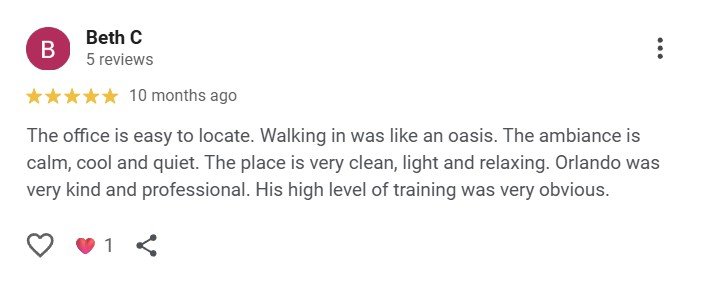
Client experiences often highlight the same patterns. People talk about feeling informed, like they finally understand what their body is doing. They mention feeling supported, especially when navigating unfamiliar sensations.
You can read those experiences here:




















Booking & Next Steps
If you’re curious about lymphatic drainage, the first session can simply be a starting point.
SUMMARY
The lymphatic system is always working, even when you don’t notice it. It moves fluid, filters out what your body doesn’t need, and supports balance and healing in the background. Understanding those signals changes how you respond to them.
If you’re in Philadelphia and exploring lymphatic drainage, Philadelphia Lymph & Bodywork offers a place begin your healing journey.