
How to Know If Manual Lymphatic Drainage Is Right for You

Sometimes the body whispers before it raises its voice. A little swelling that lingers longer than expected. A sense of heaviness in your legs after a long day. Recovery that feels slower than it should. That’s usually when people start looking for support that works with the body, not against it.
Manual Lymphatic Drainage (MLD) often comes up in that search, but figuring out if it actually fits your situation can feel unclear. This guide is for anyone asking those questions. Whether you’re healing after surgery, noticing persistent puffiness, or simply trying to feel more balanced, you’ll learn how the lymphatic system works, what signs to pay attention to, and when MLD might be worth exploring.
And if you’re in or around Philadelphia, you’ll also get a clearer sense of what to look for locally, so you can make a decision that feels grounded, not rushed.
Key Takeaways
Manual Lymphatic Drainage uses light, rhythmic movements to support fluid circulation
Swelling, fatigue, and puffiness can signal your lymphatic system needs support
MLD is commonly used for post-surgical recovery, lymphedema, and wellness routines
The technique works best with gentle pressure not deep tissue force
Choosing a trained therapist in Philadelphia makes a meaningful difference
Table of contents
What Is Manual Lymphatic Drainage? | Understanding the Lymphatic System?
Why People Seek Manual Lymphatic Drainage | Signs MLD May Help You | Who Commonly Benefits from MLD| Situations Where MLD May Not Be Recommended
What a Full Body Manual Lymphatic Drainage Session Feels Like | Common Myths About Lymphatic Detox
Who Benefits Most From Gentle Lymphatic Techniques | Post-Surgical Clients | Clients Managing Swelling or Lymphedema | Wellness & Nervous System Support
Looking for Lymphatic Drainage Massage in Philadelphia? | What Clients Are Saying on Google|Booking & Next Steps
What Is Manual Lymphatic Drainage?
Manual Lymphatic Drainage, often called MLD massage, is a specialized form of massage therapy that focuses on moving fluid through the lymphatic system. Think of it less like working muscles and more like guiding a slow-moving current that already exists in your body.
The lymphatic system carries waste, immune cells, and excess fluid. When that flow slows down, the body can start to hold onto fluid in ways that feel uncomfortable.
MLD uses slow, rhythmic movements with very light pressure. The direction matters. The pace matters. Everything is designed to follow the body’s natural drainage pathways. This isn’t deep tissue work. In fact, going too deep can work against the goal. The lymph vessels sit just under the skin, so the approach stays gentle and precise. Most people don’t expect how calming it feels. It’s quiet work, but your body tends to respond quickly to it.
Understanding the Lymphatic System

The lymphatic system plays a quiet but constant role in keeping your body balanced. It helps regulate fluid levels, supports immune response, and clears waste from tissues. You don’t feel it working…but you definitely feel when it’s not. Unlike blood circulation, there’s no pump pushing lymph fluid along. It depends on movement. Breathing. Muscle activity. Even small daily actions help keep things moving.
That also means certain situations can slow everything down. Surgery, inflammation, long periods of sitting, or injury can all interrupt that flow. When that happens, fluid can begin to collect instead of circulate. This is where people start noticing changes.
MLD steps in to gently encourage that movement again. It doesn’t replace what your body does. It supports it.
Why People Seek Manual Lymphatic Drainage

Most people first hear about MLD during recovery. But once you understand what it does, you start to see how broad its use can be.
Post-surgical recovery is one of the most common reasons. After procedures like liposuction or other cosmetic work, the body holds fluid as part of healing. MLD helps guide that fluid so recovery feels smoother.
Others come in for lymphedema support. This condition involves chronic swelling tied to lymphatic disruption. In these cases, MLD often becomes part of a larger care plan.
Then there’s fluid retention that doesn’t have a clear cause. Travel, lifestyle habits, or circulation patterns can all play a role. Some people notice swelling that shifts throughout the day, especially in the face or lower body.
And then there are clients who aren’t dealing with any specific issue. They just want to feel better in their body. Less sluggish. More balanced. MLD becomes part of a wellness rhythm that supports that goal.
Signs Manual Lymphatic Drainage May Help You
Not everyone needs MLD. But your body usually gives a few hints when support might help. You might notice bloating that doesn’t fully go away, even when your routine hasn’t changed. Or brain fog that lingers longer than expected, making it harder to feel clear and focused. Chronic sinus issues can also point to congestion within the system.
Fatigue is another common signal. Not the kind that comes from a long day but the kind that sticks around even after rest. Headaches, especially when paired with tension or pressure, can show up here too.
This is why manual lymphatic drainage often feels calm and unhurried. The technique matches the pace of the system itself. For clients, this can feel counterintuitive at first. For the body, it feels familiar.
Then there’s visible swelling. Puffy ankles. Hands that feel tight. Skin that looks a little more inflamed than usual, whether that shows up as acne, dryness, or irritation. Even swollen lymph nodes in the neck can be part of the picture.
None of these automatically mean you need MLD. But when they start to cluster together, it’s worth paying attention.
Who Commonly Benefits from Manual Lymphatic Drainage
There are a few groups of people who tend to see the most noticeable impact from MLD.
Post-operative clients are one of the largest. After surgery, the body is working overtime to repair itself. Fluid accumulation is part of that process. MLD helps guide that fluid so it doesn’t linger longer than it needs to.
Clients managing lymphedema often rely on MLD as part of ongoing care. In these cases, consistency matters. The goal is to support the system over time rather than treat a one-time issue.
Then there are wellness-focused clients. People who aren’t dealing with a specific condition but want to feel lighter, less congested, and more at ease in their body. For them, MLD becomes part of maintenance.
Each of these paths looks a little different. That’s why a thoughtful consultation matters. What your body needs won’t look exactly like someone else’s.
Situations Where Manual Lymphatic Drainage May Not Be Recommended
Even though MLD is gentle, it isn’t always appropriate in every situation. Active infections are one example. When the body is already fighting something off, stimulating fluid movement may not be helpful. The same goes for untreated blood clots, where circulation changes could create risk. Certain heart conditions can also require caution. Because MLD influences fluid movement, it’s important to understand how the body is already managing circulation.
A trained therapist will always start with your health history. As a way to make sure the session actually supports you. If something doesn’t feel like the right fit, a good practitioner will say that clearly.
What a Full Body Manual Lymphatic Drainage Session Feels Like
If you’re expecting deep pressure, this experience might surprise you.
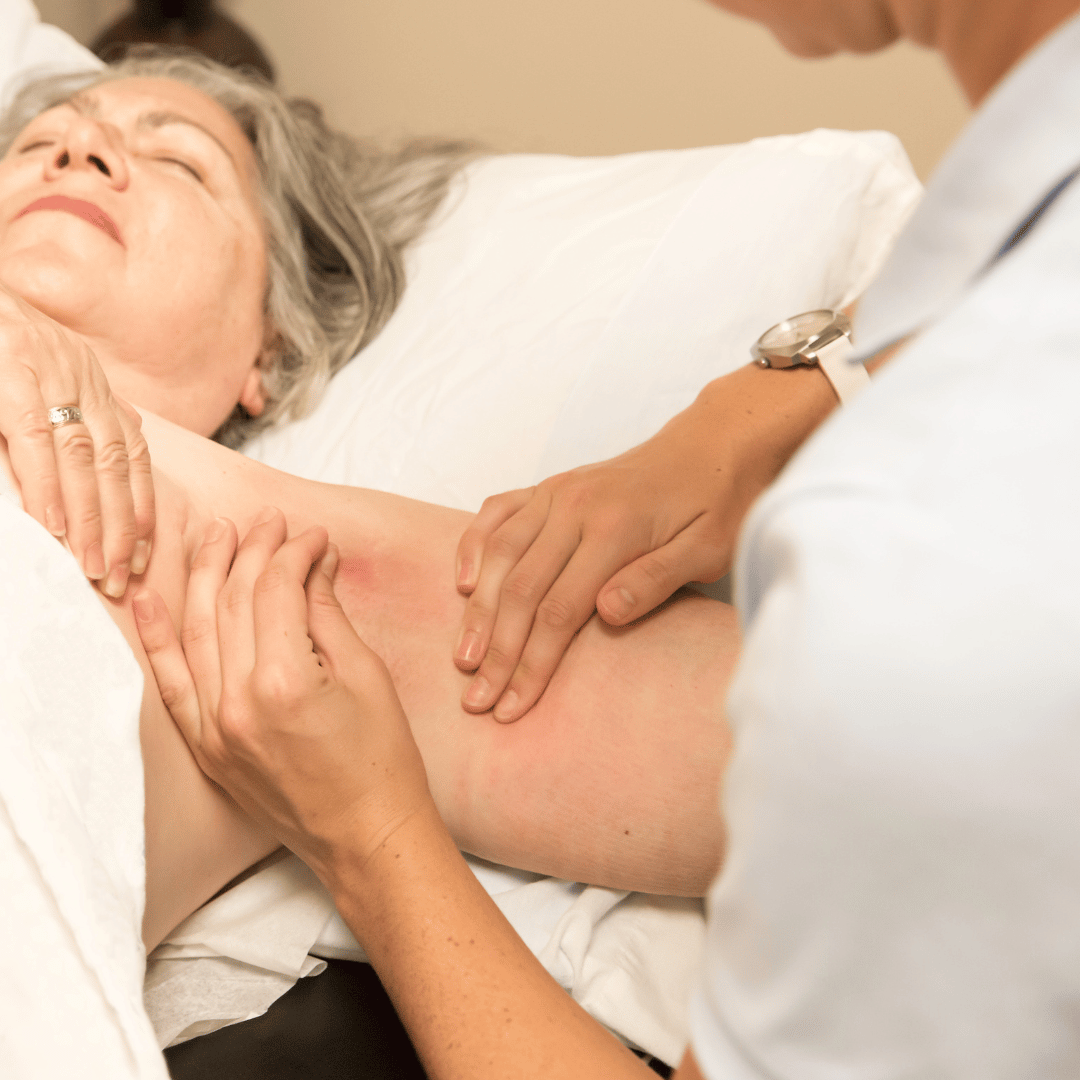
A full body MLD session feels slow. Intentional. The pressure is light, almost like a stretch across the skin rather than pressure into muscle.
Therapists focus on areas where lymph nodes cluster, like the neck, abdomen, underarms, and groin. From there, movements follow pathways that encourage fluid to move through the system. The pace can feel almost meditative. Some people fall asleep. Others just feel their body settle in a way that’s hard to describe.
After the session, it’s common to feel a little tired. You might notice increased urination as your body processes the fluid movement. Hydration helps support that shift. It’s not dramatic. But it is noticeable.

Common Myths About Lymphatic Detox
The phrase “lymphatic detox” gets thrown around a lot. And sometimes, it creates more confusion than clarity. One common idea is that MLD instantly flushes toxins. In reality, your body is already built to clear waste. MLD just supports circulation so that the process can move more smoothly.
There’s also the idea that more pressure equals better results. With lymphatic work, the opposite tends to be true. Gentle, precise movements create the best response. Understanding these points helps set expectations that feel grounded instead of exaggerated.

Where Can I Get Manual Lymphatic Drainage?
Whether you’re brand new to lymphatic drainage or returning as part of an ongoing wellness routine, sessions are guided by how your body feels and responds in real time. Clients throughout Philadelphia choose Philadelphia Lymph & Bodywork for clear communication, thoughtful care, and an experience that feels supportive from the moment they walk in. If you’re ready to get started, you can book your manual lymphatic drainage session directly below.
Why Choose Philadelphia Lymph & Bodywork
Philadelphia Lymph & Bodywork approaches manual lymphatic drainage with an education-first mindset and a strong focus on client experience. Every client is evaluated on a case-by-case basis, allowing care to feel more thoughtful, attentive, and aligned with individual needs. If something doesn’t feel right, questions are welcomed and adjustments are made along the way.
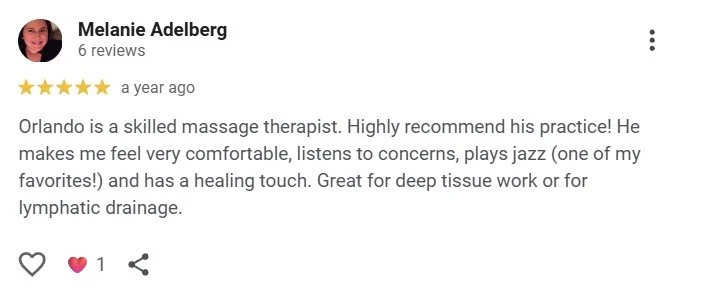
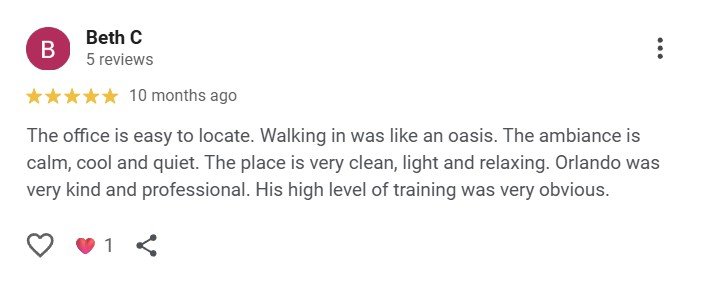
What Our Clients Saying
Many clients come in unsure what to expect and leave feeling relieved they finally found a place where things were explained clearly. If you’re ready to explore manual lymphatic drainage for yourself, you can book your session directly through the Philadelphia Lymph & Bodywork booking page and get started with care that meets you where you are.



















SUMMARY
Understanding whether Manual Lymphatic Drainage is right for you starts with paying attention to your body. If you’ve been dealing with swelling, fatigue, or a sense that something feels “off,” MLD can offer a supportive next step. It’s not about forcing change. It’s about helping your body do what it already knows how to do.