
What Happens When the Lymphatic System Slows Down

Some days your body just feels… slower. Not in a dramatic way, but enough to notice. Maybe your ankles look a little more swollen by the evening. Maybe your face feels puffy in the morning. Maybe recovery from workouts, travel, or even stress takes longer than it used to.
It’s easy to brush it off. Life gets busy. You keep moving. When that movement slows, the signs don’t always shout. They build gradually. And without context, they can feel confusing.
This guide is for anyone who wants to understand those changes without jumping to worst-case conclusions. We’ll walk through how the lymphatic system normally works, what it feels like when things slow down, and what you can do to support better flow.
At Philadelphia Lymph & Bodywork, understanding always comes first. Because when you know what your body is doing, you can respond with clarity instead of guesswork.
Key Takeaways
The lymphatic system moves slowly by design and relies on movement
Slower flow can show up as swelling, heaviness, or fatigue
Lifestyle factors like inactivity and stress can influence flow
Small, consistent habits can support better circulation
Gentle therapies like MLD can help guide fluid movement
Table of contents
How the Lymphatic System Normally Works | What It Feels Like When the Lymphatic System Slows Down | Common Reasons the Lymphatic System Slows Down
How Manual Lymphatic Drainage Supports the System
Looking for Manual Lymphatic Drainage? | Why Choose Philadelphia Lymph & Bodywork | What Clients Are Saying on Google | Booking & Next Steps
How the Lymphatic System Normally Works
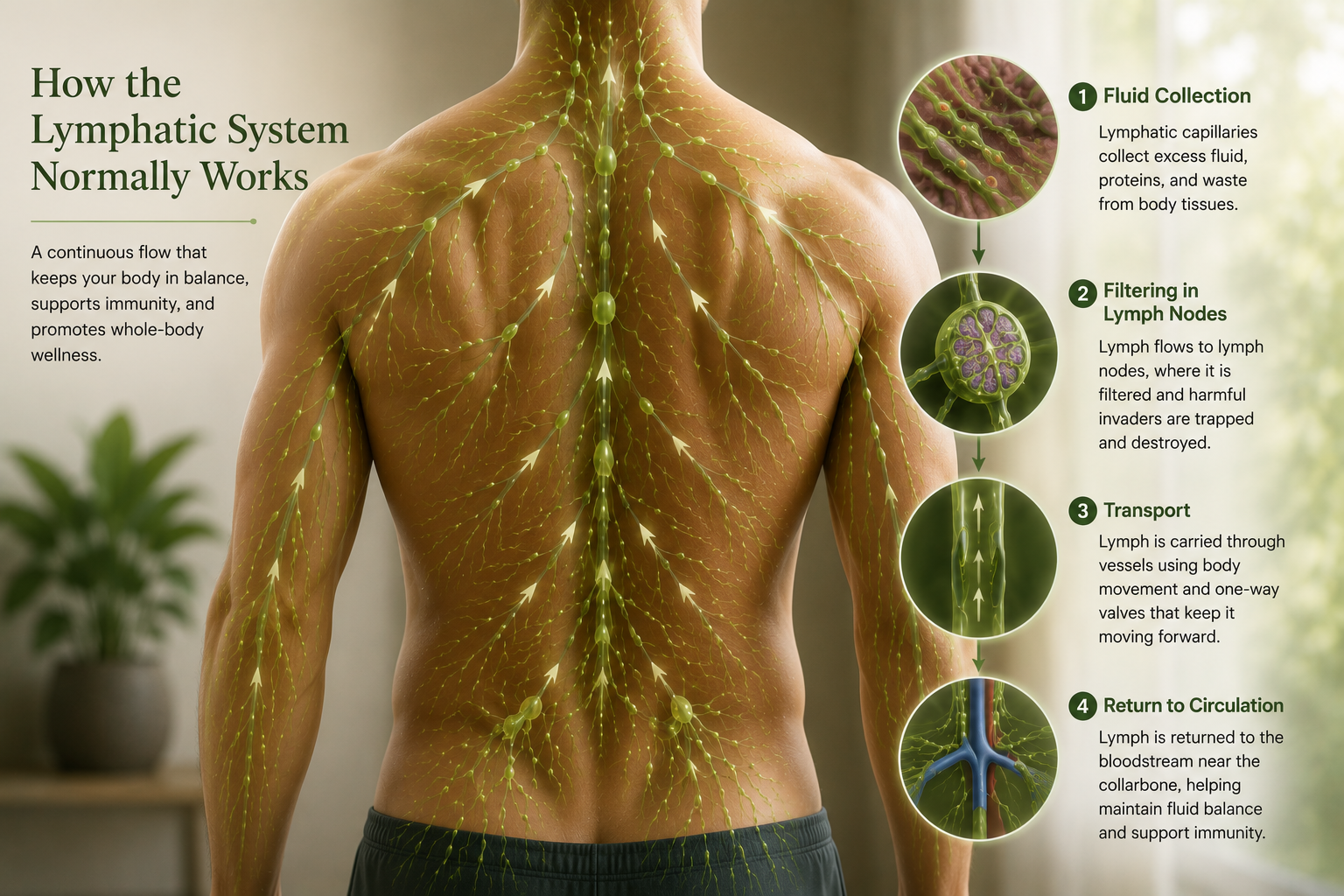
The lymphatic system operates more like a steady current than a fast-moving stream. It doesn’t rely on a central pump like the heart. Instead, it depends on everyday movement such as breathing, walking, and stretching to guide fluid through the body. The slower pace of the lymphatic system is intentional. It allows time for filtering and processing, which supports healing and immune function. Faster isn’t better here. Consistent movement is what matters.
When this rhythm stays intact, fluid moves efficiently and the body maintains a natural sense of balance.

What It Feels Like When the Lymphatic System Slows Down
When lymphatic flow slows, the body starts with subtle shifts. You might notice puffiness in your face or swelling in your legs by the end of the day. Your limbs may feel heavier than usual, or your body may feel slightly tight or restricted.
In more persistent cases, fluid buildup can lead to lymphedema, where swelling becomes more noticeable and consistent. But it’s important to frame these as sensations, not diagnoses. Your body is responding to changes in flow. It’s communicating, not breaking down. And everyone experiences this differently. Some notice it quickly. Others only recognize it once it becomes more consistent.
Common Reasons the Lymphatic System Slows Down
There’s rarely just one reason the lymphatic system slows down. It’s usually a combination of everyday factors.
Movement plays a big role.
Long periods of sitting whether at a desk, during travel, or throughout the day reduce the natural muscle activity that helps move lymph fluid.
Hydration matters too, without enough fluid in the body, lymph can become thicker and slower to move.
Stress is another contributor, it changes breathing patterns and muscle tension, both of which influence fluid movement.
Post-surgical recovery can also affect flow. The body naturally produces more fluid during healing, which can temporarily overwhelm the system.
Over time, if fluid isn’t moving efficiently, it can lead to persistent swelling, fatigue, joint stiffness, and in some cases, an increased risk of infection such as cellulitis. The key point here is that this is common and often reversible. The system responds to changes in how you move, rest, and support your body.
How Manual Lymphatic Drainage Supports the System
Manual Lymphatic Drainage (MLD) is a hands-on way to support fluid movement when the system needs a little extra help. The technique uses slow, rhythmic movements with very light pressure. It follows the natural pathways of the lymphatic system, guiding fluid toward areas where it can be filtered and processed.
This approach works because of how the system is structured. Lymph vessels sit close to the surface, so gentle input is more effective than deep pressure.
It’s a different experience from traditional massage. The focus stays on fluid movement rather than muscle tension. Some sessions may include supportive elements like BioMat therapy, which adds warmth and encourages relaxation, helping the body settle into the process. For those searching for manual lymphatic drainage, MLD offers a way to support circulation without forcing change. It helps the body move fluid more efficiently while staying aligned with its natural rhythm.

Looking for Manual Lymphatic Drainage Treatments in Philadelphia?
Philadelphia has plenty of options when it comes to massage therapy and manual lymphatic drainage, which can make the decision feel a bit overwhelming.
The difference often comes down to approach. Lymphatic drainage is about understanding the system and reading the body in a way that makes sense for where you are. Taking the time to understand how a provider approaches care can make a noticeable difference in your experience.
Why Choose Philadelphia Lymph & Bodywork
Philadelphia Lymph & Bodywork centers its approach on clarity and communication. Sessions begin with a conversation.
What are you feeling?
What changes have you noticed?
What do you want to understand better?
From there, the session is shaped around those answers. The pace stays calm. The work stays intentional. Nothing feels rushed or forced. Clients often mention how helpful it is to understand what’s happening during the session, not just feel it.

What Our Clients Saying on Google
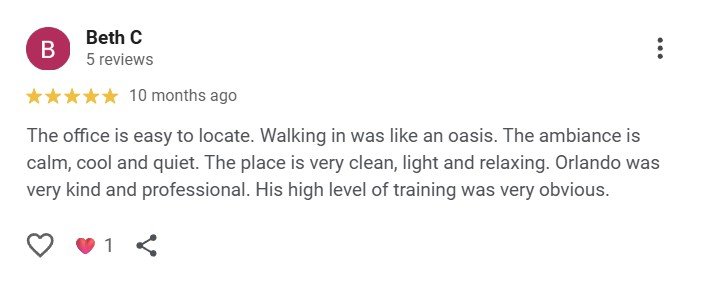
Client experiences often highlight the same patterns. People talk about feeling informed, like they finally understand what their body is doing. They mention feeling supported, especially when navigating unfamiliar sensations.
You can read those experiences here:




















Booking & Next Steps
If you’re curious about lymphatic drainage, the first session can simply be a starting point.
SUMMARY
The lymphatic system is always working, even when you don’t notice it. It moves fluid, filters out what your body doesn’t need, and supports balance and healing in the background. Understanding those signals changes how you respond to them.
If you’re in Philadelphia and exploring lymphatic drainage, Philadelphia Lymph & Bodywork offers a place begin your healing journey.