
The Science Behind Manual Lymphatic Drainage

The first time most people experience manual lymphatic drainage, they pause. The pressure is light. The pace is slow. It doesn’t feel like what they expected from massage at all. And somewhere in the middle of the session, a thought pops up: How can something this gentle actually be doing anything?
That question makes sense, especially if you’re used to associating results with pressure or intensity. But the answer isn’t about force. It’s about how your body is built.
The lymphatic system sits just beneath the surface of your skin. It moves fluid in a quiet, steady rhythm, relying on movement and breath rather than a central pump. That structure changes everything about how it responds to touch.
This guide is for anyone curious about what’s really happening during manual lymphatic drainage, especially if you’re exploring manual lymphatic drainage in Philadelphia. We’ll walk through the science in clear terms, so you can understand why this approach works, how to tell if it’s right for you, and what to expect along the way. At Philadelphia Lymph & Bodywork, understanding isn’t extra; it’s where the work begins.
Key Takeaways
The lymphatic system sits close to the skin and moves slowly
Gentle, rhythmic pressure supports fluid movement more effectively than force
MLD helps guide waste and excess fluid toward lymph nodes
Results often feel gradual, not immediate
Understanding the process builds confidence in the experience
Table of contents
What Is Manual Lymphatic Drainage? | How the Lymphatic System Is Structured
How Lymph Fluid Moves Through the Body |What Happens in the Body During a Session
Looking for Manual Lymphatic Drainage in Philadelphia? | Why Choose Philadelphia Lymph & Bodywork | What Clients Are Saying on Google | Booking & Next Steps
What Is Manual Lymphatic Drainage?
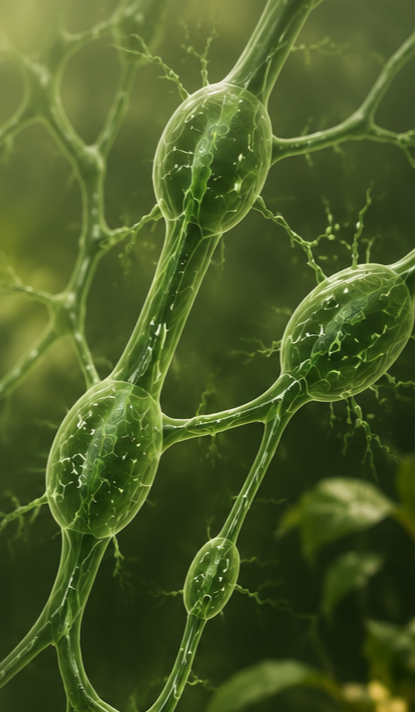
Manual lymphatic drainage (MLD) is a technique designed to support the natural movement of lymph fluid through the body. It uses light, rhythmic, and intentional movements to guide fluid toward lymph nodes, where it can be filtered and processed.
So what does lymphatic drainage massage actually do? It helps move excess fluid, waste, and byproducts away from tissues and back into circulation. This can reduce swelling, support immune function, and help the body feel less congested overall.
The key difference from traditional massage comes down to approach. Instead of working deep into muscle tissue, MLD focuses on direction, rhythm, and subtle pressure. Every movement follows a specific pathway that aligns with how lymph naturally travels.
For people wondering if it’s worth trying, the answer often depends on what your body is telling you. If you’re noticing swelling, puffiness, or a sense of heaviness that doesn’t shift easily, those can be signs your lymphatic system could use support.
How the Lymphatic System Is Structured
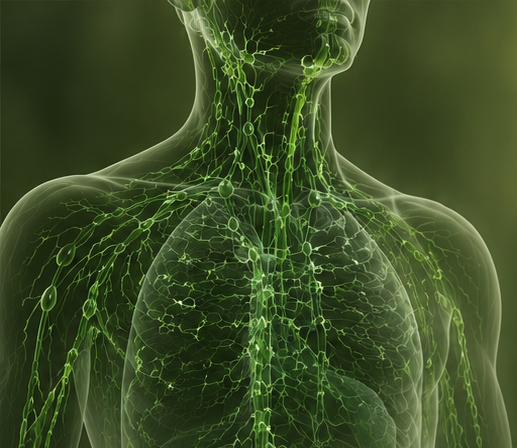
The lymphatic system forms a fine network just beneath the surface of your skin. This placement matters more than most people realize.
Lymph vessels are delicate and shallow. They carry fluid through a system of nodes that act like filtering stations, removing unwanted particles before the fluid returns to the bloodstream. Because of this structure, depth isn’t helpful here. Pressing deeper doesn’t reach the system more effectively; it can actually compress it.
Think of it like a thin network of pathways just under the surface. Gentle input allows those pathways to stay open and responsive. This is why lymphatic drainage uses light pressure. The technique matches the structure. When the approach aligns with the anatomy, the body tends to respond more naturally.
How Lymph Fluid Moves Through the Body
Lymph fluid doesn’t move because it’s pushed. It moves because your body creates small, consistent shifts in pressure.
Breathing, muscle contractions, and even subtle posture changes all help guide lymph along its pathways. Inside the vessels, tiny contractions and one-way valves keep fluid moving in the right direction.
The flow is slow on purpose. It’s closer to a steady current than a rushing stream. That slower pace allows lymph nodes time to filter and process what passes through.
There’s also a clear direction to the movement. Fluid travels from tissues into lymphatic capillaries, through vessels and nodes, and eventually back into the bloodstream. Consistency matters more than speed here. When that rhythm is steady, the system functions smoothly. When it slows, the body starts to send signals.
What Happens in the Body During a Session
During a session, several small processes begin to shift. Fluid starts to move more freely through the vessels. Lymph nodes become more active as they filter what passes through. Pressure changes in the tissues help guide fluid toward areas where it can be processed.
From the outside, this can feel subtle. You might notice relaxation, warmth, or a gradual sense of ease. After the session, people often report increased urination, reduced swelling, or a lighter feeling in their body. Some feel slightly tired or thirsty as their system processes fluid.
There’s often a moment where people wonder, Is this working? That’s normal. Changes tend to build gradually. The body responds over time, not all at once. Each session supports the next, creating a steady shift rather than a sudden change.

Looking for Manual Lymphatic Drainage Treatments in Philadelphia?
Philadelphia has a wide range of massage providers, which can make the search feel overwhelming. The difference often comes down to technique and understanding. Manual lymphatic drainage requires precision. Direction matters. Rhythm matters. The ability to read the body and adjust in real time matters.
Choosing a provider who explains the process and adapts to your needs can make a noticeable difference in your experience.
Why Choose Philadelphia Lymph & Bodywork
Philadelphia Lymph & Bodywork focuses on clarity, precision, and individualized care. Each session begins with a conversation. What are you noticing? What’s changed? What are you hoping to understand?
From there, the work is adjusted to match your body’s current state. The pace stays calm. The technique stays intentional. There’s also a focus on education throughout the session. Clients leave with a better understanding of what’s happening, not just how they feel.

What Our Clients Saying on Google
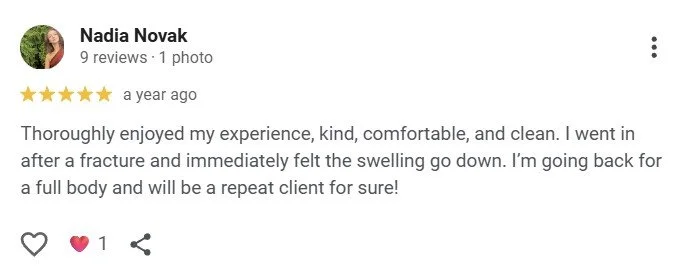
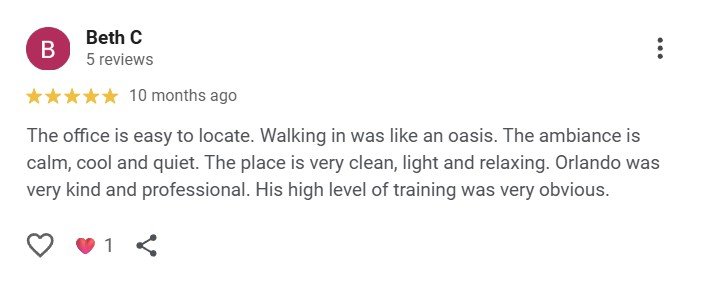
Client feedback tends to highlight a few consistent themes. People mention feeling informed and understanding what their body is doing. They talk about trusting the process, even when changes feel gradual. There’s also a sense of consistency. Sessions feel thoughtful, steady, and aligned with what their body needs. That kind of feedback reflects an approach that prioritizes both experience and understanding.
You can read those experiences here:



















Booking & Next Steps
If you’re considering lymphatic drainage massage, the first session can simply be an introduction. You don’t need to have everything figured out. You can come in, ask questions, and experience how your body responds to the technique.
You set the pace. The goal is to understand what works for you.
SUMMARY
Manual lymphatic drainage works because it aligns with how your body is built. The lymphatic system moves slowly, sits close to the surface, and responds best to gentle, consistent support. When the technique matches that structure, fluid can move more freely and the body can process what it needs to.
Understanding that connection changes how the experience feels. Instead of questioning the light pressure, you start to see how it fits into a larger process. If you’re exploring manual lymphatic drainage in Philadelphia, starting with a provider who emphasizes understanding can make the experience feel more grounded.