
How Manual Lymphatic Drainage Supports Immune Health

Most people think about immune health when their body starts waving a flag. You feel run down. Recovery takes longer than usual. You catch yourself thinking, “Why do I feel off when nothing major seems wrong?” What often gets missed is how much support work is happening behind the curtain long before those moments show up. That’s where the lymphatic system comes in.
This article is for anyone curious about how manual lymphatic drainage connects to immune health in real life. We’ll break down what the lymphatic system actually does, why flow matters, and how gentle, rhythmic treatment can support that process. At Philadelphia Lymph & Bodywork, the goal is never to bury people in jargon. It’s to help them understand what their body is doing so they can make clearer decisions about care.
Key Takeaways
The lymphatic system helps filter fluid and support immune awareness throughout the body
Lymph nodes act like checkpoints that monitor what moves through that fluid
Flow matters because lymph moves slowly and depends on steady support
Manual lymphatic drainage uses light, rhythmic techniques that match how the system works
Most people notice subtle, gradual shifts rather than dramatic overnight change
Table of contents
What Is the Lymphatic System’s Role in Immune Health? | How Lymph Fluid and Lymph Nodes Support the Body |Why Flow Matters for Immune Function
How Manual Lymphatic Drainage Supports This Process |What This Looks Like in Real-Life Experience
Looking for Manual Lymphatic Drainage in Philadelphia? | Why Choose Philadelphia Lymph & Bodywork | What Clients Are Saying on Google | Booking & Next Steps
What Is the Lymphatic System’s Role in Immune Health?

The lymphatic system plays a steady, behind-the-scenes role in how the body stays aware of what is moving through it. You can think of it as part of the body’s monitoring system. It gathers fluid from tissues, carries that fluid through a network of vessels, and routes it through lymph nodes where it can be screened and filtered. That ongoing process helps the body keep tabs on waste, bacteria, and other material that does not need to linger.
This matters for immune health because the immune system does not operate in a vacuum. It relies on communication, movement, and pattern recognition. The lymphatic system supports that by constantly circulating fluid and bringing it through key filtering points. Lymph nodes work like small signal hubs, helping the body recognize what belongs and what does not. None of this is flashy. In fact, when it is working well, most people never think about it. That quiet, continuous function is part of what makes it so important.

How Lymph Fluid and Lymph Nodes Support the Body
Lymph fluid carries more than just extra water. It also moves proteins, cellular waste, and immune cells through the body. As that fluid travels, it passes through lymph nodes, which act a bit like screening stations along a pathway. They do not just sit there looking official. They actively filter what passes through and help the body respond to what it finds.
These nodes are located throughout the body, especially in areas like the neck, underarms, abdomen, and groin. As lymph moves through them, white blood cells help identify and break down harmful material. That includes germs, damaged cells, and other unwanted particles. The process is constant and usually subtle. You do not feel your lymph nodes “working” the way you might feel a muscle working, but they are part of a continuous support system that helps maintain balance. When people hear “immune support,” they often picture supplements, juices, and heroic amounts of vitamin C. Meanwhile, the lymphatic system is already clocked in and handling quiet cleanup duty all day.
Why Flow Matters for Immune Function
The lymphatic system depends on movement to do its job well. Unlike blood circulation, which has the heart pushing things along, lymph moves through a slower current that relies on breathing, muscle activity, and pressure changes in the body. That means flow matters. A lot. When the rhythm is steady, fluid keeps moving through tissues and nodes in a way that supports filtration and balance.
When movement slows, the body can start to feel heavier or more sluggish. Some people notice puffiness. Others notice lingering fatigue, a sense of congestion, or slower recovery after stress, travel, or a demanding week. That does not mean the body is failing. It means the system may not have the same momentum it had before. A slow current still moves, but it needs support to stay steady. That is why consistent habits matter. Gentle movement, rest, and body awareness all help keep this process going. Immune function is not just about fighting something off. It is also about maintaining the conditions that let the body respond well over time.
How Manual Lymphatic Drainage Supports This Process
Manual lymphatic drainage is a gentle, specialized technique that supports the natural movement of lymph fluid. The method uses light, rhythmic hand movements to guide fluid toward lymph nodes and along established drainage pathways. The pressure stays soft because the vessels involved sit close to the skin’s surface. Going deeper does not help here. In fact, too much pressure can work against the process, which is one reason this work feels so different from traditional massage.
This is where a lot of people pause and ask, “Is something this light really doing anything?” Fair question. The answer comes back to physiology. Manual lymphatic drainage is meant to assist flow, not bully it into submission. It works with the body’s design rather than overpowering it. For people searching for manual lymphatic drainage Philadelphia services, this matters. Technique, rhythm, and pacing shape the experience more than intensity does. At Philadelphia Lymph & Bodywork, care is adjusted to the individual rather than pushed through a one-size-fits-all routine. That makes room for support that feels calm, precise, and grounded in how the body actually functions.
What This Looks Like in Real-Life Experience
In real life, this support often shows up in quiet ways. Someone may feel lighter after a session. Another person may notice less heaviness in their limbs or a better sense of flow through areas that usually feel puffy or congested. Others describe improved recovery patterns over time, especially when sessions are paired with movement, hydration, and realistic expectations.
That last part matters. Most changes with manual lymphatic drainage feel gradual rather than dramatic. This is not movie-trailer bodywork where thunder rolls, the room glows, and your lymphatic system suddenly starts tap dancing. It tends to be steadier than that. Some people notice subtle shifts right away, while others feel the benefit build session by session. That variability is normal. The goal is not to promise fireworks. The goal is to help people understand what they are feeling and why the process works the way it does. When people understand the pace, they tend to trust the process more and second-guess it less.

Looking for Manual Lymphatic Drainage Treatments in Philadelphia?
Philadelphia has no shortage of lymphatic drainage and bodywork options. That can be helpful, but it can also make the decision feel a little muddy. When you are looking for manual lymphatic drainage in Philadelphia, it helps to focus on more than the service name alone. The real difference often comes down to approach, education, and whether the provider takes time to explain what they are doing and why.
A good fit should leave you feeling more informed, not more confused. That matters even more with lymphatic work because the technique can feel unfamiliar if you are expecting deeper, more muscular massage. An education-first provider helps bridge that gap. They help you understand the process, the pacing, and how the treatment fits your actual needs instead of selling a dramatic fantasy version of wellness. Clear information tends to make better decisions easier.
Why Choose Philadelphia Lymph & Bodywork
Philadelphia Lymph & Bodywork puts explanation first. That means sessions are not treated like a mystery performance where you are supposed to nod politely and hope for the best. The care starts with a conversation about what you are noticing, what you want to understand, and how your body has been feeling. From there, the work is shaped around the person in front of the therapist, not around a rigid script.
That individualized approach matters because people come in with different goals, histories, and levels of familiarity with MLD. Some are looking for support with swelling or recovery. Others want a better sense of overall flow and nervous system calm. The environment stays steady, respectful, and supportive so the session feels approachable rather than intimidating. For readers who want a better sense of how this philosophy shows up in practice, these resources offer a helpful starting point: Top Questions to Ask Before Booking a Lymphatic Treatment and Does the BioMat Really Work?

What Our Clients Saying on Google
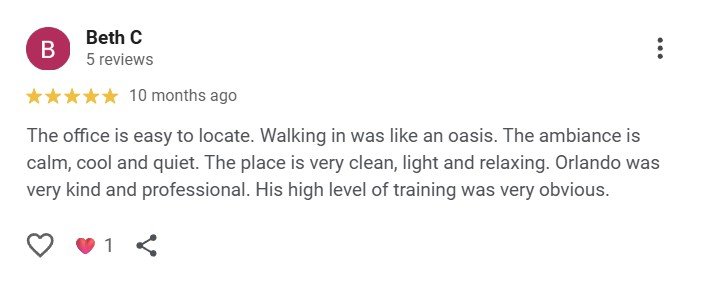
The themes that tend to come up in client feedback are consistency, clarity, and trust. People talk about feeling informed instead of rushed. They mention understanding the process more clearly after the session than they did before it. That matters because MLD often works best when the client is not sitting there wondering whether the light pressure means “nothing is happening.”
Another common thread is the appreciation for gradual, thoughtful care. Clients often describe the environment as calm and the treatment as measured rather than aggressive. That kind of feedback says a lot. It points to an experience where the care matches the philosophy. Not hype. Not oversized promises. Just steady, informed support that respects the body’s pace and gives people room to notice what is changing over time.




















Booking & Next Steps
Booking a first session does not have to feel like signing some invisible contract with your future. It can simply be a way to learn how your body responds to the work. That is often the most helpful frame for people who are curious but still figuring out whether MLD is a good fit.
A first visit gives you the chance to ask questions, experience the technique, and get a clearer sense of what support might look like for your body. You stay in control of the pace the entire time. There is room to explore without pressure and room to decide what makes sense after you have actually felt the work for yourself. If you have been wondering what lymphatic drainage massage does, how to tell whether you need it, or whether it is worth trying, a first session can answer more than a paragraph on the internet ever could.
SUMMARY
The lymphatic system supports immune awareness in a quiet, continuous way. It moves fluid, filters what passes through it, and helps the body stay in conversation with what is happening beneath the surface. That process depends on flow, and flow depends on conditions that support movement rather than overwhelm it.
Manual lymphatic drainage fits into that picture by using gentle, rhythmic technique to work with the body’s natural design. The point is not force. The point is support. For some people, that means feeling lighter. For others, it means better recovery patterns, less heaviness, or simply a clearer understanding of what their body has been trying to say.
If you are exploring this work in Philadelphia, Philadelphia Lymph & Bodywork offers an approach grounded in education, pacing, and individualized care.