
The Link Between the Lymphatic System and Your Immune Response

Most people only think about their immune system when something feels off. You start noticing fatigue, slower recovery, or that lingering feeling you can’t quite shake. What often goes overlooked is the behind-the-scenes work your body is doing long before those moments show up. That work is closely tied to the lymphatic system.
This system helps monitor what moves through your body, filter out what doesn’t belong, and support how your immune system responds to change. It’s always active, even when you’re not aware of it. And when fluid is moving well, everything tends to feel more balanced.
This article is for anyone curious about how the lymphatic system connects to immune response in real, everyday terms. We’ll walk through how these systems interact, why fluid movement matters, and how manual lymphatic drainage fits into that picture. At Philadelphia Lymph & Bodywork, the goal is always to make this information feel clear and usable—so you can understand what your body is doing instead of guessing.
Key Takeaways
The lymphatic system helps monitor and filter what moves through your body
Lymph nodes act like checkpoints that support immune awareness
Fluid movement supports communication within the body
Slower flow can show up as heaviness, puffiness, or fatigue
Manual lymphatic drainage supports these natural processes without force
Table of contents
What Is the Lymphatic System’s Role in Immune Response? | How Lymph Nodes and Immune Activity Are Connected | Why Fluid Movement Matters for Immune Function
What Happens When This System Is Under Stress
How Manual Lymphatic Drainage Supports This Connection |Looking for Manual Lymphatic Drainage in Philadelphia?| What Clients Are Saying on Google
What Is the Lymphatic System’s Role in Immune Response?

The lymphatic system acts as part of the body’s monitoring and defense network. It collects fluid from tissues, carries it through a series of vessels, and filters that fluid before returning it to circulation. That process plays a steady role in how your body stays aware of what’s happening internally.
Lymph fluid carries proteins, waste, and immune cells throughout the body. As it moves, it brings information with it. This allows the immune system to recognize patterns, respond to potential threats, and maintain balance over time.
What’s important to understand is that this process is continuous. It doesn’t switch on and off. It’s happening throughout the day, whether you’re active or at rest.
Most people never notice it working. That’s usually a sign that things are moving as they should.
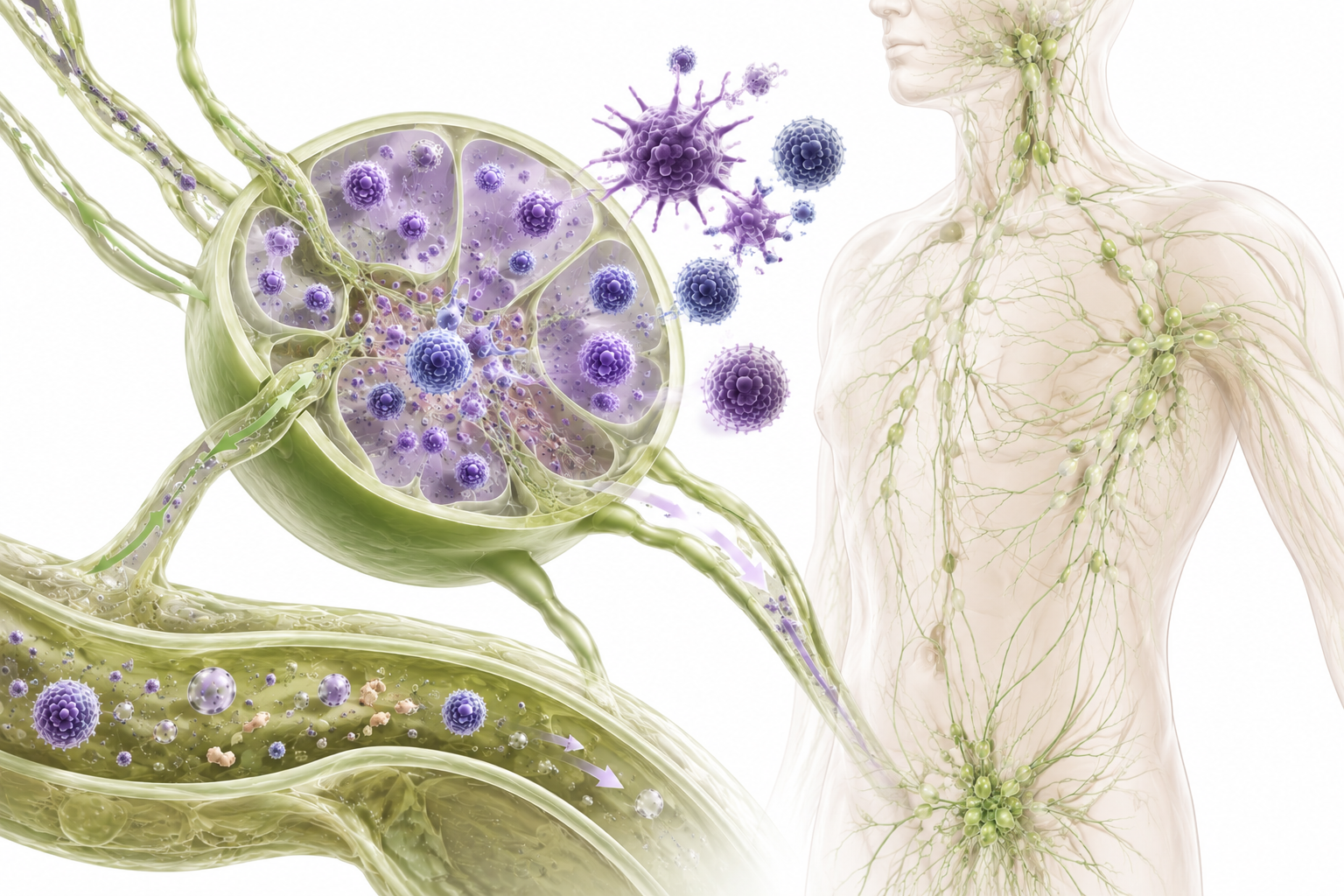
How Lymph Fluid and Lymph Nodes Support the Body
Lymph nodes are small structures placed throughout the body that act like filtering checkpoints. You’ll find clusters in areas like the neck, underarms, chest, and groin.
As lymph fluid passes through these nodes, it’s essentially being scanned. You can think of it like a security checkpoint, everything that passes through is reviewed. Inside the nodes, immune cells such as T cells and B cells interact with what they encounter, helping the body recognize and respond to changes.
This is where the immune response begins to take shape. Lymphatic vessels bring antigens and immune cells into the nodes, where the body decides how to respond. Sometimes that means activating a response. Other times it means maintaining balance and not overreacting. The system is distributed across the body, which allows it to monitor multiple areas at once. It’s not centralized—it’s everywhere it needs to be.
Why Fluid Movement Matters for Immune Function
Fluid movement is what keeps this system connected. Lymph doesn’t move on its own. It depends on breathing, muscle activity, and subtle pressure changes to circulate. When that movement stays consistent, information travels smoothly through the system. When flow slows, that communication becomes less efficient. You might notice this as heaviness, puffiness, or a general sense that your body feels sluggish.
That doesn’t mean something is wrong. It means the system may not have the same level of movement it had before. Consistency matters more than speed here. The goal isn’t to rush the process it’s to support steady flow.
What Happens When This System Is Under Stress

Stress, in this context, can mean a few different things. It might be physical, like surgery, illness, or injury. It might come from lifestyle factors, like long periods of sitting or limited movement. It can also show up as general fatigue from a busy or demanding schedule. When the system is under stress, fluid movement can slow down. That can lead to sensations like swelling, tightness, or a feeling that your body is holding onto more than usual.
These responses are common. They’re part of how the body adapts to changes. The key is awareness. Recognizing these patterns allows you to respond in a way that supports your body instead of working against it.
How Manual Lymphatic Drainage Supports This Connection
Manual lymphatic drainage(MLD) (MLD) is a gentle, structured approach that supports how lymph fluid moves through the body. It uses light, rhythmic movements that follow the natural pathways of the lymphatic system. The goal is to guide fluid toward lymph nodes, where it can be filtered and processed.
This is different from traditional massage. The focus isn’t muscle tension, it’s fluid movement. MLD supports immune function by helping lymph fluid circulate more efficiently. That fluid carries immune cells, waste, and bacteria. When movement improves, the body can process and respond more effectively.
For those exploring manual lymphatic drainage Philadelphia services, this kind of support often feels subtle but meaningful. It’s not about forcing change. It’s about working with how the system already operates.

Looking for Manual Lymphatic Drainage Treatments in Philadelphia?
Philadelphia offers a wide range of options wellness care. That variety can be helpful, but it can also make it harder to know where to start. When it comes to lymphatic drainage, the approach matters.
This work depends on precision, pacing, and an understanding of how the system functions. Choosing a provider who explains the process and adapts to your needs can shape the entire experience. Taking time to learn how a provider approaches care helps you make a more confident decision.

What Our Clients Saying on Google
Client feedback often centers on a few consistent themes. People talk about feeling informed and supported throughout their sessions. They describe the experience as calm and steady, with a focus on understanding rather than rushing. There’s also an appreciation for gradual change. Instead of dramatic shifts, clients notice subtle improvements over time. That consistency tends to build trust in the process.





















Booking & Next Steps
If you’re curious about lymphatic drainage massage, your first session can simply be an introduction. You don’t need to commit to a long plan right away. You can come in, ask questions, and see how your body responds to the experience.
SUMMARY
The lymphatic system plays a steady role in how your body monitors, filters, and responds to what moves through it. It supports immune awareness by circulating fluid, carrying immune cells, and filtering that fluid through lymph nodes.
When you understand how this system works, the signals your body sends, like swelling, heaviness, or fatigue, start to make more sense. Manual lymphatic drainage offers a way to support that process by guiding fluid movement in a way that aligns with how your body is built. If you’re in Philadelphia, Philadelphia Lymph & Bodywork offers an approach grounded in understanding and individualized care.