
When to Consider Booking a Manual Lymphatic Drainage Session
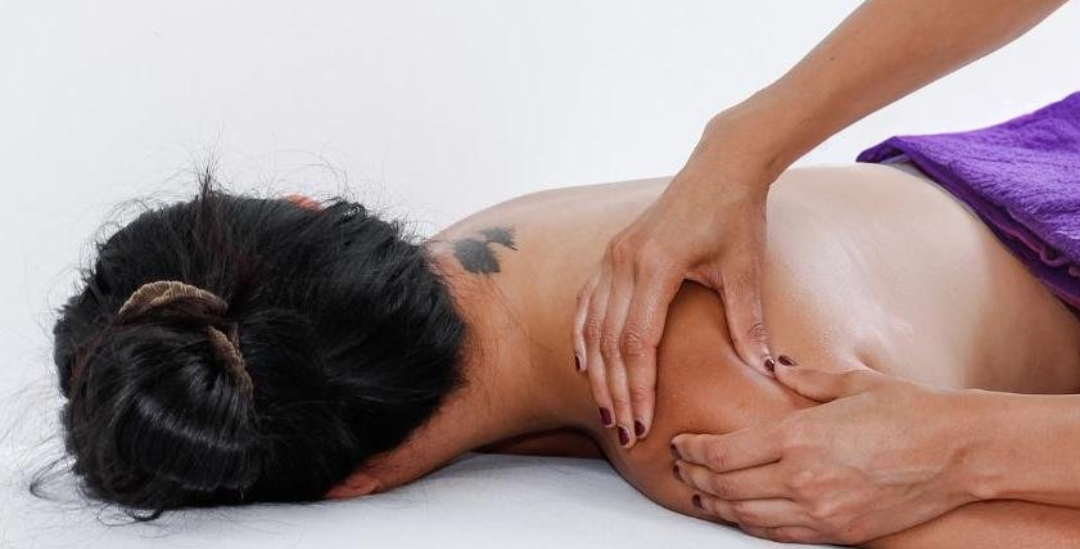
Sometimes your body doesn’t break down it slows down. You notice it in small ways at first. Rings fitting tighter by the afternoon. That heavy feeling in your legs after a normal day. A kind of fatigue that lingers even when you’ve technically “rested.” It’s subtle, but it sticks. That’s usually when people start asking questions.
Manual Lymphatic Drainage (MLD) tends to come up in those moments. Not as a quick fix, but as a way to support how the body already works. When fluid isn’t moving the way it should, everything can feel a little off. Circulation, energy, even mental clarity. This guide is for anyone trying to figure out when it makes sense to book a manual lymphatic drainage session. You’ll learn how to recognize the signs your body may need support and what MLD actually does.
Key Takeaways
Manual Lymphatic Drainage supports fluid movement when your body feels sluggish
Swelling, fatigue, and brain fog can signal your lymphatic system needs support
Morning sessions often help facial puffiness, evening sessions support lower-body swelling
MLD can support stress reduction by calming the nervous system
Choosing an experienced Philadelphia practitioner shapes the outcome
Table of contents
What Is Manual Lymphatic Drainage? | Understanding the Role of the Lymphatic System|Signs Your Body May Benefit From MLD|When to Consider Booking a MLD Session
Managing Swelling and Lymphedema With MLD | MLD After Surgerys | MLD and Oncology Recovery Support| MLD for General Wellness and Circulation
What Is BioMat Therapy and How Is It Used During Sessions?
What to Expect During a Manual Lymphatic Drainage Session?
Looking for Lymphatic Drainage Massage in Philadelphia? | What Clients Are Saying on Google|Booking & Next Steps
What Is Manual Lymphatic Drainage?
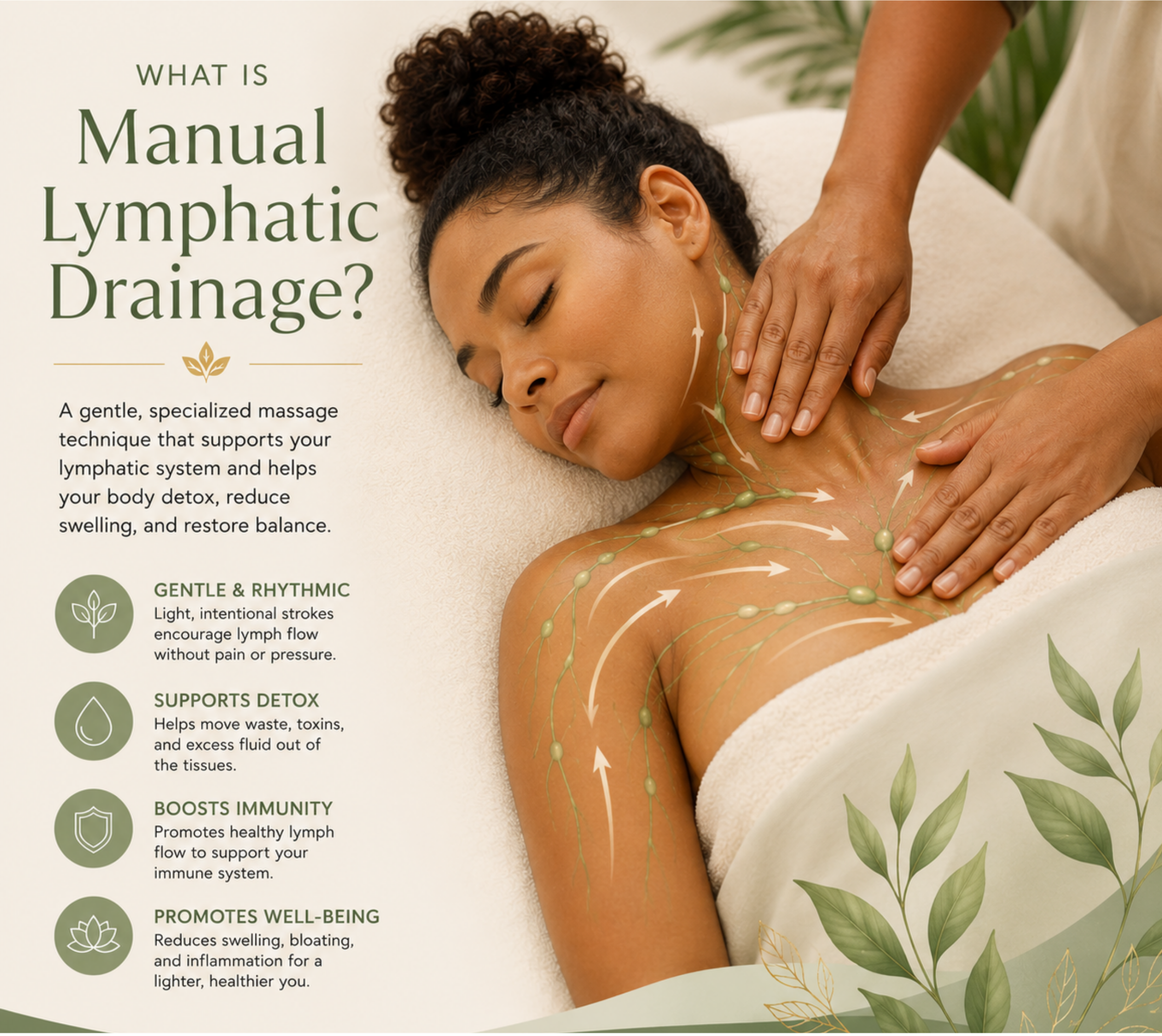
Manual Lymphatic Drainage is a specialized massage technique focused on guiding fluid through the lymphatic system. It works with the body’s natural pathways rather than forcing change. The lymphatic system carries waste, immune cells, and excess fluid. When movement slows, that fluid can settle in tissues, leading to swelling, heaviness, or that “off” feeling you can’t quite describe.
MLD uses slow, rhythmic movements and very light pressure to encourage that flow again. Think of it less like deep muscle work and more like directing traffic in a system that’s temporarily backed up. Because lymph vessels sit close to the skin, the technique stays gentle. More pressure doesn’t improve results—it can actually interfere with the process. Most people don’t expect how calming it feels. The pace slows everything down, and the body tends to follow.

Understanding the Role of the Lymphatic System
The lymphatic system acts like a quiet support network in your body. It helps regulate fluid levels, supports immune response, and clears waste from tissues. Unlike your circulatory system, it doesn’t have a central pump. Movement depends on breathing, muscle activity, and daily motion. That’s why certain situations can slow it down. Long periods of sitting. Recovery from surgery. Inflammation. Even chronic stress can influence how well fluid moves.
When that flow slows, the effects start to show. You might notice puffiness, tightness, or a general sense of heaviness. It doesn’t always feel dramatic—but it’s noticeable.
Signs Your Body May Benefit From MLD
Your body tends to drop hints before things feel urgent. You just have to know what to look for.
Bloating is a common one, especially when it doesn’t shift with diet or routine changes. Brain fog can also show up—feeling mentally cloudy even when you’ve had enough sleep. Chronic sinus congestion often points to fluid stagnation in the upper body.
Fatigue is another signal. Not the kind that disappears after rest, but something heavier. Headaches can follow, especially when paired with pressure or tension. Then there are visible signs. Puffy ankles. Swollen hands. Skin that feels reactive—acne, dryness, or rashes that don’t settle easily. Swollen lymph nodes in the neck can also indicate that the system is working harder than usual.
None of these guarantee you need MLD. But when they start to overlap, it’s usually worth exploring support.

When to Consider Booking a MLD Session
Timing matters more than most people think. If you’re dealing with facial puffiness or sinus pressure, morning sessions often work well. Overnight, fluid can collect in the upper body, and a morning session helps move things along early in the day.
If swelling tends to settle in your legs or lower body, evening sessions can be more helpful. By the end of the day, fluid has had time to accumulate, making it easier to address. Beyond time of day, certain situations naturally lead people to book.
Post-surgical recovery is one. Managing lymphedema is another. Some people come in when fatigue or bloating starts to linger longer than expected. There’s also a preventative side. Some clients book sessions regularly as part of their routine, especially when they know their lifestyle tends to slow circulation.
The key is paying attention to patterns. Your body usually tells you when it’s time.
Managing Swelling and Lymphedema With MLD
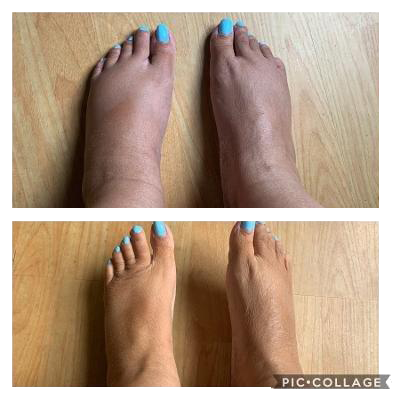
Lymphedema involves persistent swelling caused by disruption in the lymphatic system. It can develop after surgery, injury, or certain medical conditions. Symptoms often include tightness, reduced mobility, and visible swelling in the limbs. MLD is commonly included in long-term management plans. It helps guide fluid through alternate pathways when the usual routes are compromised. Consistency is key. One session can help, but ongoing care tends to create more noticeable change over time. With the right approach, many people find improved comfort and better day-to-day mobility.
MLD After Surgery
After surgery, the body enters a healing phase that often includes inflammation and fluid buildup. This is a normal part of recovery, but it can feel uncomfortable. Swelling, tightness, and restricted movement are common. For some people, this phase passes quickly. For others, fluid lingers longer than expected. MLD can help guide that excess fluid through the body’s drainage pathways. The goal is to support recovery without overwhelming the system. Timing matters here. Sessions are often introduced within a specific window after surgery, depending on medical guidance and healing progress. The approach stays gentle. The focus is on supporting circulation while respecting the body’s pace.
MLD and Oncology Recovery Support
Cancer treatment can affect how the lymphatic system functions. Procedures like lymph node removal or radiation can change how fluid moves through the body. In some cases, this leads to swelling or discomfort associated with lymphedema. MLD can be used as part of supportive care when performed by practitioners trained in oncology considerations. The focus is on comfort, circulation, and helping the body adapt to these changes. Sessions are approached thoughtfully. Communication with medical providers matters here. The goal isn’t to replace treatment, it’s to support how the body feels during recovery.
MLD for General Wellness and Circulation
Not everyone who books a session is dealing with a specific condition. Some people simply want to feel better in their body. Less heavy. More clear. More balanced. MLD can support circulation and help regulate the nervous system. This is where the conversation around cortisol comes in. MLD encourages a shift from a “fight or flight” state to a more relaxed “rest and digest” state. That shift can help lower stress responses, support relaxation, and reduce overall tension in the body. For some, it becomes part of a routine. A way to reset when things start to feel off.
What Is BioMat Therapy and How Is It Used During Sessions?
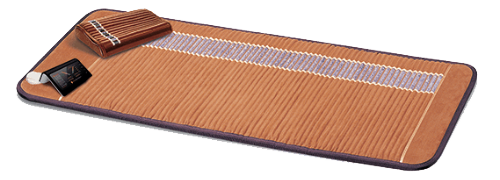
Some sessions incorporate BioMat therapy as an added layer of comfort. A BioMat uses infrared heat combined with natural crystals to create a warm surface during treatment. The heat can help the body relax, making it easier to settle into the session. While it adds to the experience, the focus remains on the lymphatic work itself. The technique and timing of MLD are what drive results. For many clients, the added warmth just makes the process feel more comfortable.
What to Expect During a Manual Lymphatic Drainage Session?
Some sessions incorporate BioMat therapy as an added layer of comfort. A BioMat uses infrared heat combined with natural crystals to create a warm surface during treatment. The heat can help the body relax, making it easier to settle into the session. While it adds to the experience, the focus remains on the lymphatic work itself. The technique and timing of MLD are what drive results. For many clients, the added warmth just makes the process feel more comfortable.

Where Can I Get Manual Lymphatic Drainage?
Searching for manual lymphatic drainage massage in Philadelphia often brings up a wide range of options, which can feel overwhelming if you’re new to this type of care. Not all manual lymphatic drainage is the same. Training, technique, and clinical understanding make a meaningful difference in how the body responds. At Philadelphia Lymph & Bodywork, care is rooted in education and experience. Each session is guided by anatomy, recovery needs, and clear intention rather than routine pressure.
Why Choose Philadelphia Lymph & Bodywork
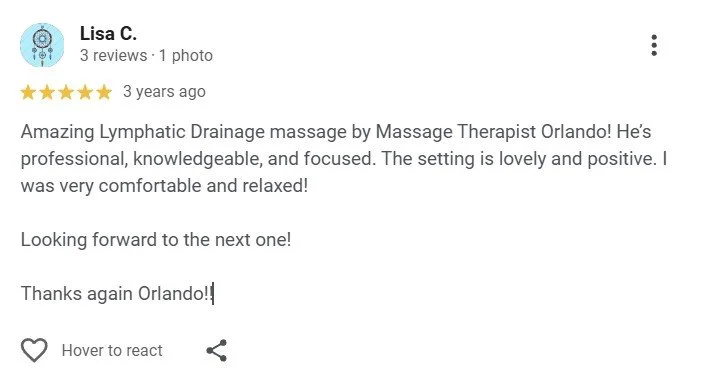
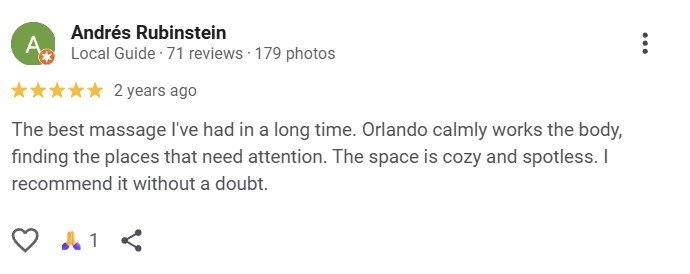
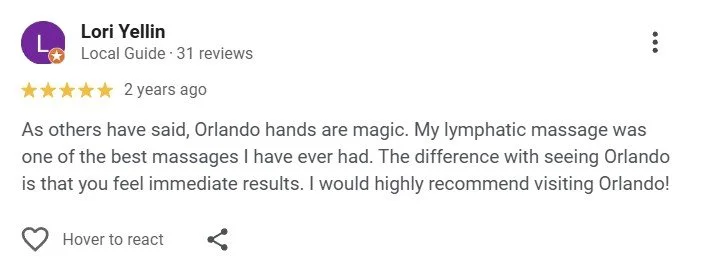
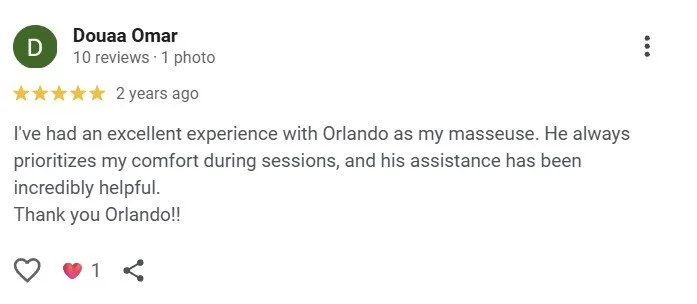
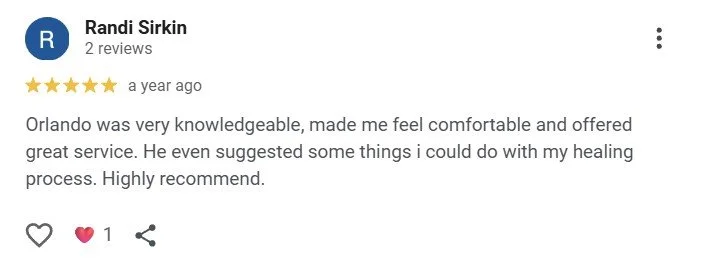
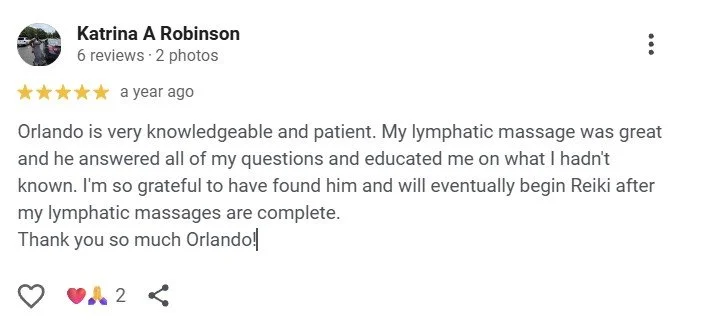
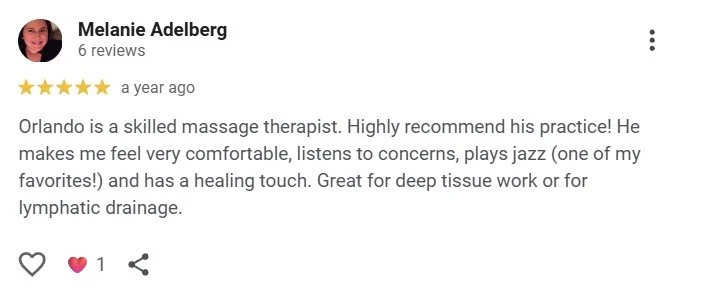
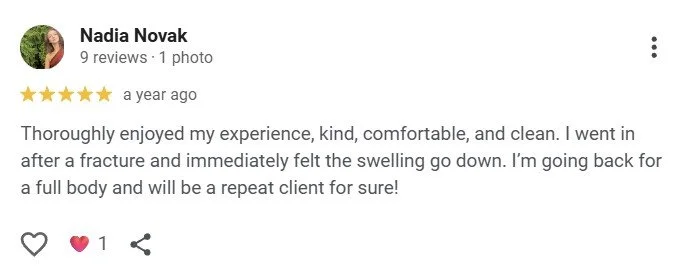
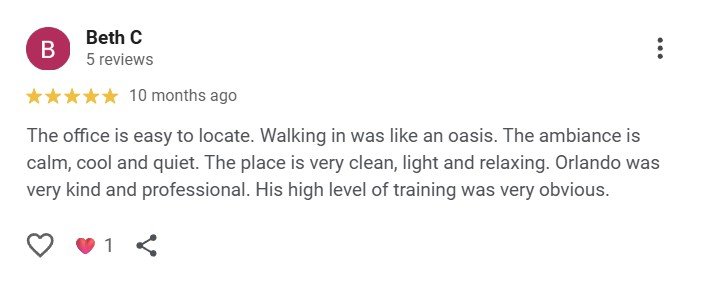
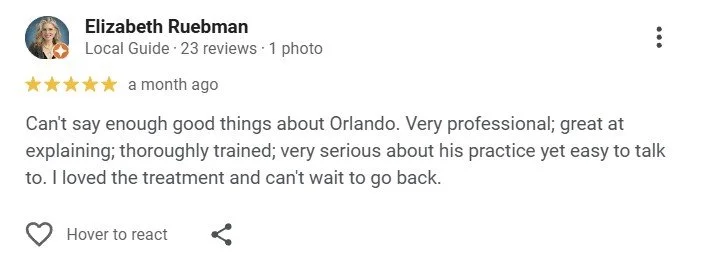
Clients often mention feeling heard and safe. Many describe noticing changes gradually rather than immediately, which helps set realistic expectations. The theme that appears most often is consistency. Results build when care feels steady and informed.
These reviews highlight what sets MLD with Biomat apart: warmth, safety, education, and visible results.
What Our Clients Saying
If you’re considering manual lymphatic drainage massage in Philadelphia, the next step is simple. Booking a first session allows your practitioner to understand your needs and guide you through what to expect. Care begins with clarity.











SUMMARY
Manual lymphatic drainage asks for a shift in perspective. Effective care doesn’t always announce itself loudly. Sometimes it works quietly, in layers, over time. If you’re curious about manual lymphatic drainage in Philadelphia, you can book your first session, schedule care that supports recovery, or begin with a gentle reset for your system. Each path starts with listening to your body and choosing care that honors it.