

A lot of people leave their first manual lymphatic drainage session asking the same quiet question: Was that enough? Sometimes you feel lighter right away. Sometimes the shift is subtle. And sometimes the real question becomes whether this is something that helps once, or something that makes more sense over time. That curiosity is valid. This article is for first-time clients, wellness-minded readers, post-surgical clients, and anyone exploring manual lymphatic drainage in Philadelphia. We’ll walk through why consistency matters, how the lymphatic system responds to steady support, and what progress often looks like when care is approached with patience instead of urgency. At Philadelphia Lymph & Bodywork, the focus is always on helping you understand what your body is doing—so decisions feel informed, not rushed.
Key Takeaways
The lymphatic system works continuously, not occasionally
One session can help, but patterns matter more over time
Progress often shows up gradually instead of dramatically
Consistency supports rhythm, not pressure or perfection
Good care is shaped around your body, not a fixed plan
What Does Consistency Mean in Manual Lymphatic Drainage Therapy?| Why the Lymphatic System Responds to Ongoing Support
Why One Session Can Help—But Often Doesn’t Tell the Whole Story? | What Consistent Progress Can Actually Look Like |How Consistency Fits Differently for Wellness, Swelling, and Recovery
Where Can I Get Manual Lymphatic Drainage? | Why Choose Philadelphia Lymph & Bodywork |What Our Clients Saying
What Does Consistency Mean in Manual Lymphatic Drainage Therapy?
Consistency in manual lymphatic drainage doesn’t mean constant appointments or rigid schedules. It means staying in a conversation with your body over time. The lymphatic system doesn’t switch on and off. It’s always moving fluid, filtering waste, and supporting tissue balance. Because of that, support tends to work best when it aligns with that steady rhythm instead of showing up once and expecting a lasting shift. One session can introduce movement. It can create awareness.
It can offer a sense of relief. But consistency is what allows those changes to settle, repeat, and build. It also helps prevent fluid from returning to the same patterns. Without ongoing support, the body may drift back toward congestion, especially in cases involving swelling, recovery, or slower lymphatic flow. So consistency isn’t about doing more. It’s about returning at the right pace, based on what your body is showing you.

Why the Lymphatic System Responds to Ongoing Support
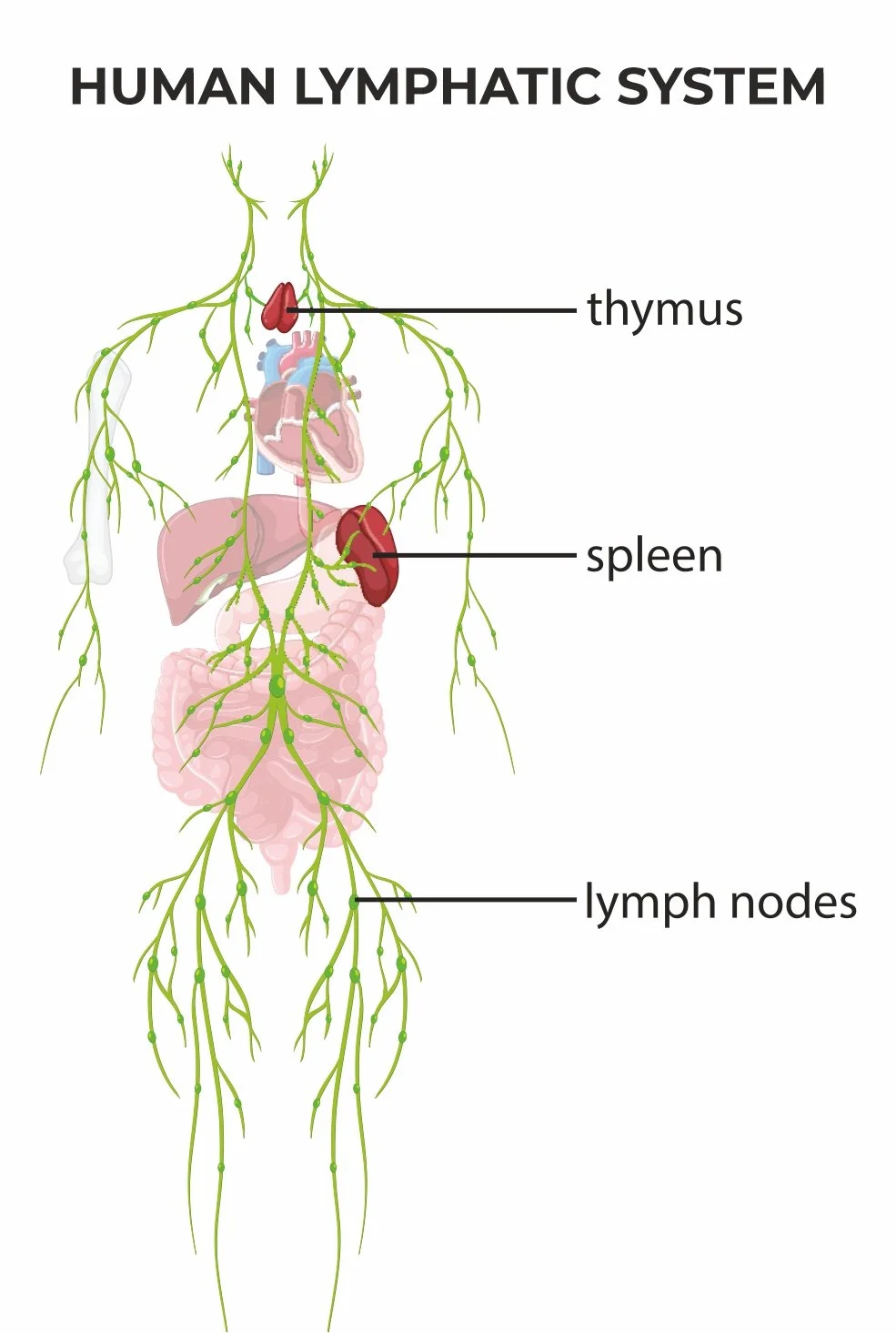
The lymphatic system functions quietly in the background. It moves a clear, water-based fluid,mostly made of water, proteins, and immune cells, through vessels and nodes that sit close to the surface of the body. Unlike the cardiovascular system, it doesn’t have a central pump. It relies on breathing, movement, and gentle pressure changes to keep things flowing. That’s why steady support matters. You can think of it like watering a plant. Giving it a large amount once doesn’t sustain it. Regular, moderate care helps it stay balanced over time. Manual lymphatic drainage follows this idea. The technique uses slow, rhythmic movements, often starting with breath work, then working from unaffected areas toward areas that need more support. The pressure remains light because the system responds best to gentle input. Over time, this kind of repetition helps the body maintain better flow patterns, reduce fluid buildup, and support tissue health in a way that feels sustainable.
Why One Session Can Help—But Often Doesn’t Tell the Whole Story?
A single session can absolutely feel meaningful. Some people notice reduced heaviness. Others feel less congested or more relaxed. For some, the biggest shift is awareness. Realizing how their body responds to this type of care. But one session is often a snapshot, not the full picture. It shows how your body can respond, not necessarily how it will respond over time. That distinction matters, especially for people who leave wondering why the changes weren’t dramatic. Gradual change doesn’t mean ineffective care. It means the body is adjusting at its own pace. It’s learning a new pattern of movement and response rather than reacting to a one-time input. So if your first session felt subtle, that’s not something you missed. It’s part of how the process works.
What Consistent Progress Can Actually Look Like

Progress with manual lymphatic drainage rarely looks like a dramatic before-and-after moment. It tends to show up in smaller, more practical ways. You might notice less heaviness in certain areas. Puffiness may reduce more quickly. Your body might feel easier to move or more comfortable throughout the day. Recovery from physical stress or activity may feel smoother. Some changes are physical. Others are sensory. Some people feel more at ease in their body, even if they can’t point to one specific shift. Progress can also change day to day. Some sessions feel more noticeable than others. That doesn’t mean things are moving backward. It reflects how the body adapts over time. The key idea here is that subtle shifts still count. In many cases, they’re the foundation of longer-term change.

How Consistency Fits Differently for Wellness, Swelling, and Recovery
Consistency doesn’t look the same for everyone. For someone seeking general wellness support, it may mean occasional sessions that help the body stay balanced and responsive. These clients often use lymphatic drainage as a way to support how their body feels over time. For those managing swelling or fluid retention, consistency may play a more active role. Regular support can help prevent fluid from building up and make daily symptoms feel more manageable. For post-surgical recovery, the timeline often feels more defined, at least at the beginning. Sessions may be closer together early on, then gradually spaced out as the body stabilizes. In each case, the approach stays individualized. There’s no fixed schedule that applies to everyone. The right rhythm depends on your body, your goals, and what you’re experiencing at that moment.
Where Can I Get Manual Lymphatic Drainage?
If you're looking for lymphatic drainage in Philadelphia, the person performing it should understand lymphatic anatomy, appropriate pressure, contraindications, and how treatment may need to change depending on why a client is seeking care. A wellness client is not automatically treated the same way as someone recovering from cosmetic surgery. A post-surgical client has different considerations from someone managing diagnosed lymphedema. Your reason for being on the treatment table matters.
Philadelphia Lymph & Bodywork provides Manual Lymphatic Drainage for clients across the Philadelphia area with an emphasis on thoughtful, personalized care.
Why Choose Philadelphia Lymph & Bodywork
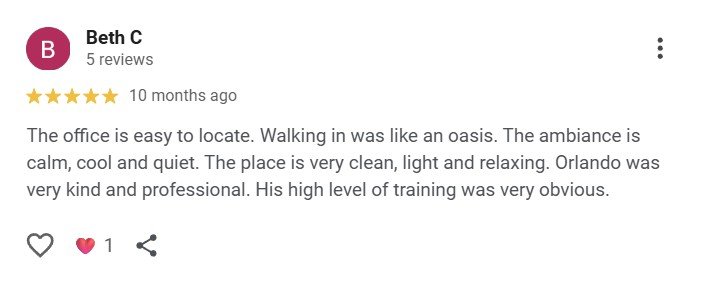
At Philadelphia Lymph & Bodywork, Orlando approaches MLD by first understanding the person receiving it. That means discussing your goals, health history, relevant medical considerations, and what you're currently experiencing.
What Our Clients Saying




















SUMMARY
Consistency matters in manual lymphatic drainage because the system itself is ongoing. The body responds best when support matches that rhythm instead of trying to create instant change. Over time, steady input helps reduce fluid buildup, support tissue balance, and create more sustainable patterns. Manual lymphatic drainage works most effectively when it’s part of that rhythm—not a one-time solution, but an ongoing form of support. For those exploring manual lymphatic drainage in Philadelphia, Philadelphia Lymph & Bodywork offers a space where that process is explained clearly and adapted to each individual.