
The Autonomic Nervous System

Your heart just changed speed. Your pupils adjusted to the light. Your digestive system kept working. And you probably didn't consciously tell any of them what to do. Behind these quiet, automatic adjustments is the autonomic nervous system one of your body's most important control networks.
Understanding how it works can change the way you think about stress, relaxation, digestion, recovery, and even the physical signals your body sends throughout the day.
Key Takeaways
The autonomic nervous system controls many involuntary functions, including aspects of heart rate, blood pressure, digestion, sweating, pupil responses, and urination.
Sympathetic activity helps prepare the body for action, while parasympathetic activity contributes to many restorative and routine functions.
The enteric nervous system is another major autonomic division primarily involved in gastrointestinal function.
MLD and the autonomic nervous system are distinct, although preliminary research has explored whether lymphatic drainage techniques can influence certain autonomic measures.
MLD should not be marketed as a "nervous system reset." Its gentle nature can create a calming treatment experience without making claims the current evidence cannot support.
Table of contents
What Is the Autonomic Nervous System?| The Sympathetic Nervous System: Your Action Mode
|The Parasympathetic Nervous System: Your Rest-and-Digest Mode
What Is the Connection Between the Autonomic Nervous System and Manual Lymphatic Drainage? | How Does the Autonomic Nervous System Affect Your Body?|Your Heart, Digestion, Breathing, and More
Where Can I Get Manual Lymphatic Drainage? | Why Choose Philadelphia Lymph & Bodywork |
What Is the Autonomic Nervous System?
Imagine having to consciously remind your heart to beat. Now remember to digest breakfast. Don't forget to adjust your blood pressure when you stand up. And while you're at it, regulate your body temperature. You wouldn't get much else done. Fortunately, your nervous system handles a tremendous amount of this work without waiting for instructions from you.
The autonomic nervous system (ANS) is part of the nervous system responsible for regulating many involuntary physiological processes. These include functions involving heart rate, blood pressure, digestion, sweating, pupil responses, urination, sexual function, and other internal processes.
Its job is much more sophisticated than simply turning individual functions "on" or "off." The ANS constantly receives information, responds to changing conditions, and adjusts activity throughout the body to help maintain internal stability, or homeostasis. Your body is doing this around the clock.
Walk from an air-conditioned building onto a hot Philadelphia sidewalk and your body begins making adjustments. Stand up quickly and your cardiovascular system responds. Eat lunch and digestive activity changes. Hear something crash behind you and your body may react before you've even figured out what made the noise. You aren't consciously managing each response. Your autonomic nervous system is helping coordinate them.
The Sympathetic Nervous System: Your Action Mode
Most people have heard the phrase "fight or flight." That phrase refers to functions strongly associated with the sympathetic nervous system, one major division of the autonomic nervous system. When your body needs to respond to a challenge, the sympathetic nervous system helps prepare you for action. Depending on the situation, sympathetic activity can contribute to changes such as:
Increasing heart rate
Supporting changes in blood pressure
Affecting pupil size
Influencing sweating
Altering digestive activity
Supporting the body's response to physical or emotional stress
The Parasympathetic Nervous System: Your Rest-and-Digest Mode
The parasympathetic nervous system is commonly described as "rest and digest." It's useful shorthand, although the actual physiology is more nuanced. Parasympathetic pathways participate in functions such as beat-to-beat heart-rate control, salivation, tear production, pupil responses, gastrointestinal motility, urination, and other restorative or routine processes.
Think about what happens after a long day. You get home. The door closes. The shoes come off. You sit down. Your breathing may become slower. Your muscles may begin to feel less guarded. Your attention no longer needs to scan everything around you. That familiar feeling of "Okay, I'm home" gives us an everyday way to understand the contrast between states associated with alertness and those associated with rest.
But sympathetic and parasympathetic activity shouldn't be viewed as two buttons where one is always completely off while the other is on. Your autonomic nervous system is far more dynamic. Together, these systems help your body respond to what is happening both inside and around you.
What Is the Connection Between the Autonomic Nervous System and Manual Lymphatic Drainage?
This is where two systems we frequently discuss at Philadelphia Lymph & Bodywork meet in an interesting way. The autonomic nervous system and lymphatic system are different systems.
The lymphatic system is a network of lymphatic vessels, lymph nodes, tissues, and organs involved in fluid balance, immune function, and the movement of lymph. The autonomic nervous system is a neural control system that influences involuntary physiological functions. They shouldn't be blended together as though they're interchangeable. Still, body systems don't operate in separate rooms with the doors closed.
A Manual Lymphatic Drainage session involves gentle, rhythmic touch. Unlike deep-tissue techniques that work more forcefully into muscle, MLD typically uses light movements intended to support lymph movement.
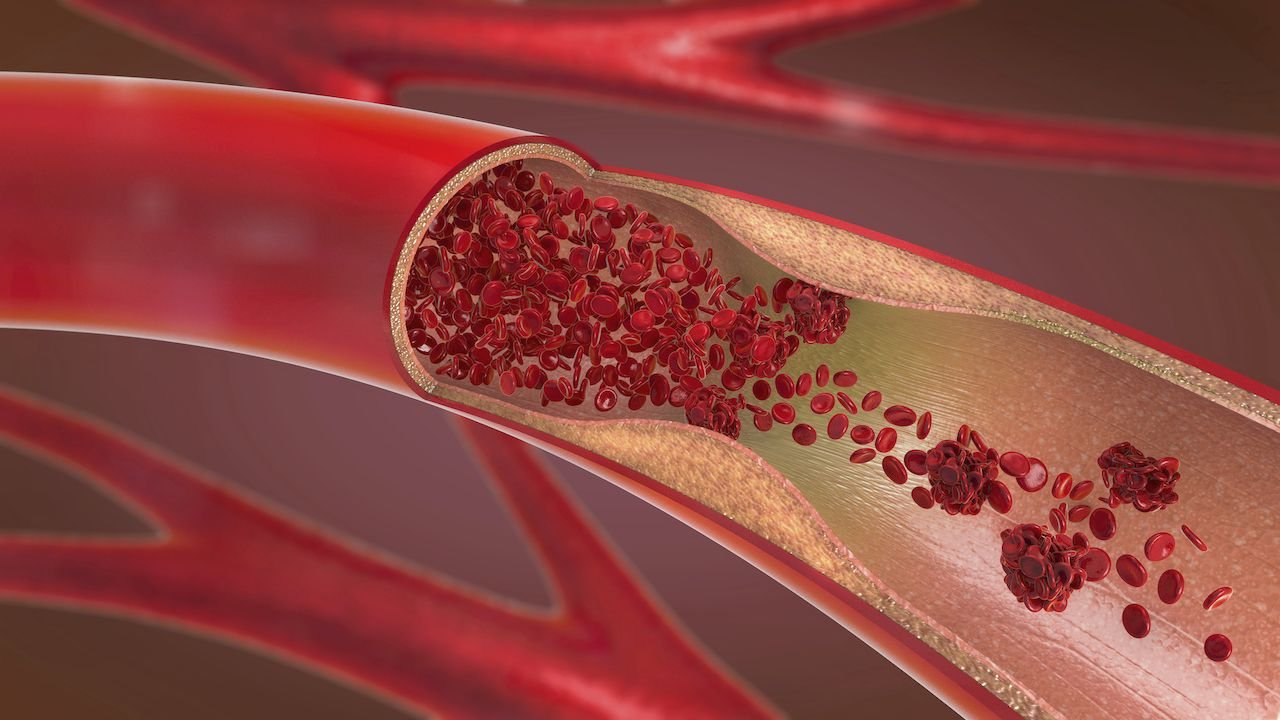
The manual lymphatic drainage sedates the sympathetic nervous system, allowing the parasympathetic nervous system to work. This restores balance between the sympathetic and parasympathetic nervous systems, when a person is overstressed. This is why you relax during a manual lymphatic drainage treatment. MLD can relax smooth muscles and encourage precapillary sphincters to dilate which increase blood flow without increasing blood pressure. The light touch of MLD can also interrupt pain impulses to the brain, stimulating an analgesic response (pain relief).
How Does the Autonomic Nervous System Affect Your Body?
The short answer? Almost constantly. The autonomic nervous system has widespread connections throughout the body and influences numerous organ systems. That's why changes in autonomic function can show up in ways that seem unrelated at first glance. Your heart, digestive tract, blood vessels, glands, bladder, eyes, lungs, and reproductive organs all interact with autonomic pathways in different ways.
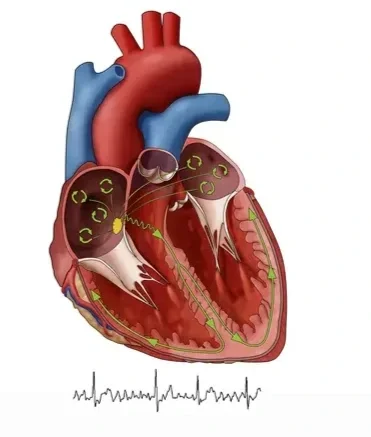
Take your heart as an example. Your heart has its own intrinsic electrical system, but autonomic input helps adjust how fast it beats based on what your body needs.
Relaxing on the couch? Your cardiovascular demands are relatively low.
Climbing a flight of stairs? Those demands change.
Hear your name unexpectedly called across a crowded room? Your body can react to that, too.
The same underlying principle applies throughout the body: conditions change, and your physiology adjusts.
Your Heart, Digestion, Breathing, and More
Heart: Autonomic input helps adjust heart rate and cardiovascular activity as your body's needs change.
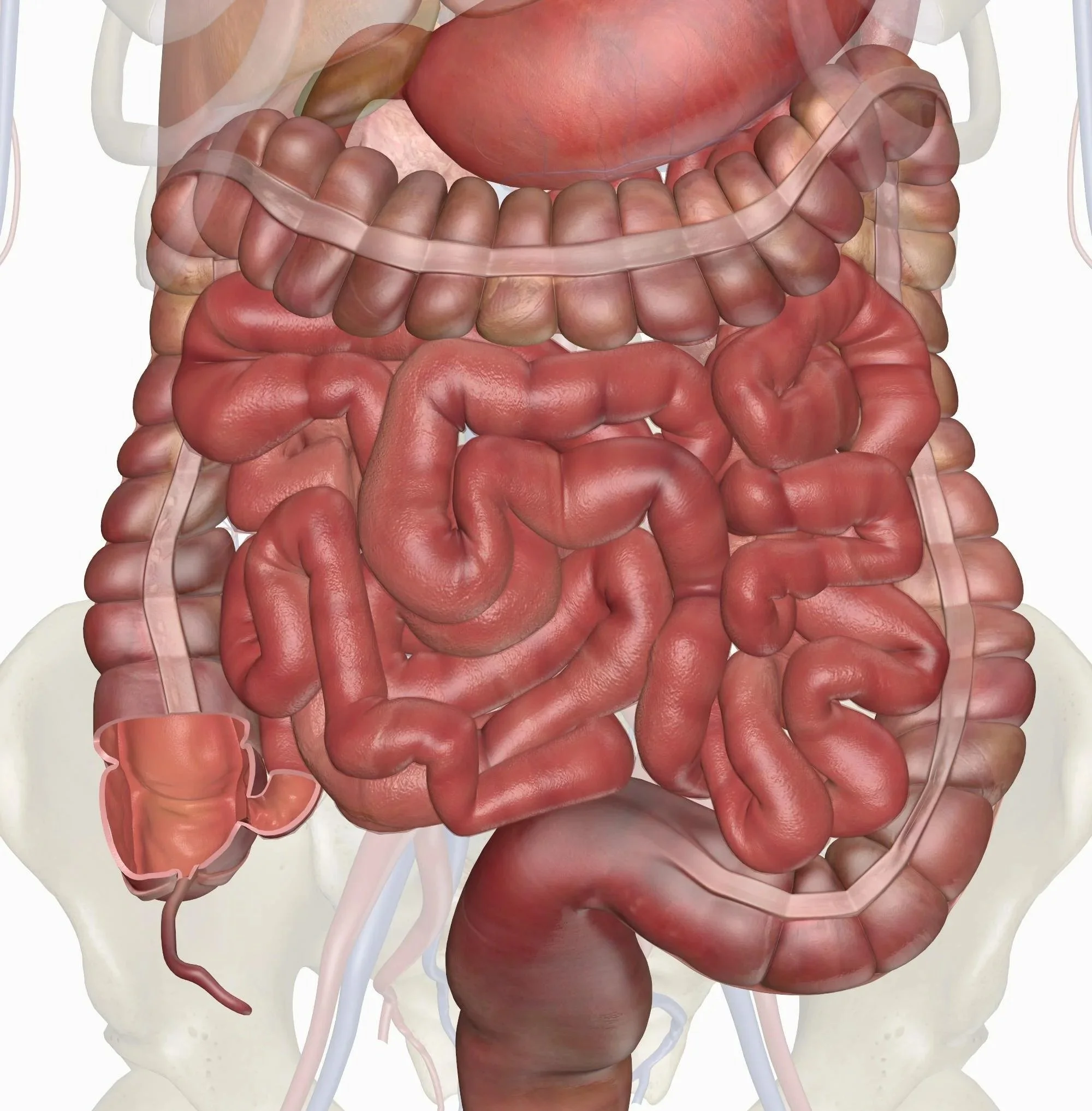
Digestion: Sympathetic and parasympathetic pathways influence gastrointestinal activity, while the enteric nervous system coordinates much of the digestive tract's local activity.
Eyes: Autonomic pathways help control pupil size in response to light and other circumstances.
Sweating: Sympathetic pathways help regulate sweating, including during heat exposure and stress.
Bladder: Autonomic pathways participate in storing and releasing urine.
That would make the article much more tangible for the average reader.
Where Can I Get Manual Lymphatic Drainage?
If you're looking for lymphatic drainage in Philadelphia, the person performing it should understand lymphatic anatomy, appropriate pressure, contraindications, and how treatment may need to change depending on why a client is seeking care. A wellness client is not automatically treated the same way as someone recovering from cosmetic surgery. A post-surgical client has different considerations from someone managing diagnosed lymphedema. Your reason for being on the treatment table matters.
Philadelphia Lymph & Bodywork provides Manual Lymphatic Drainage for clients across the Philadelphia area with an emphasis on thoughtful, personalized care.
Why Choose Philadelphia Lymph & Bodywork
At Philadelphia Lymph & Bodywork, Orlando approaches MLD by first understanding the person receiving it. That means discussing your goals, health history, relevant medical considerations, and what you're currently experiencing.




















SUMMARY
At Philadelphia Lymph & Bodywork, we believe understanding your body is part of caring for it. Whether you're exploring MLD for general wellness, post-surgical support, or an appropriate lymphatic condition, our approach combines informed bodywork with clear communication about what treatment can and cannot do.