

A lot of people walk into bodywork expecting to feel something intense. Deep pressure. Strong sensation. Something that feels like it’s “working.” Then they experience gentle, steady touch and quietly wonder… how is this doing anything? It’s a fair question. The answer has less to do with intensity and more to do with how your nervous system interprets what it feels. Your body is constantly scanning for signals, Is this safe? Should I relax? Do I need to brace? Touch plays a bigger role in that conversation than most people realize.
This article is for anyone curious about why gentler approaches, like manual lymphatic drainage, can feel surprisingly impactful. We’ll break down how your nervous system processes touch, why pace and pressure matter, and how this connects to real experiences. If you’re exploring manual lymphatic drainage in Philadelphia, this will help you understand what your body is responding to and why. At Philadelphia Lymph & Bodywork, understanding comes first. Because when you know what your body is doing, the experience makes more sense.
Key Takeaways
The nervous system responds to how touch is delivered, not just how strong it is
Gentle, rhythmic input can signal safety to the body
Strong pressure can sometimes trigger tension instead of relaxation
Manual lymphatic drainage uses light touch on purpose
Feeling calm during a session is part of how the body processes support
Table of Contents
What Is the Nervous System and What Does It Do?| How the Body Interprets Touch
How Manual Lymphatic Drainage Uses This Principle | What Clients May Notice During Gentle Bodywork
Looking for Manual Lymphatic Drainage in Philadelphia?| Why Choose Philadelphia Lymph & Bodywork |What Our Clients Are Saying

What Is the Nervous System and What Does It Do?
Your nervous system is the body’s communication network. It senses what’s happening, interprets that information, and decides how to respond. Most of this happens automatically. It regulates things like heart rate, breathing, and muscle tone without you needing to think about it.
That automatic side is often referred to as the autonomic nervous system. You can think of it as a background system that constantly adjusts based on what it detects. It has different modes. One is more alert and ready to react (sympathetic nervous system). The other supports rest, digestion, and recovery function (parasympathetic nervous system). Your body moves between these states throughout the day. When that movement stays flexible, you tend to feel more balanced. When the system stays on high alert for too long, it can feel draining. Tension builds. Rest doesn’t feel as restorative. This is the system that touch interacts with.

How the Body Interprets Touch
Your body doesn’t just feel pressure. It interprets it. It pays attention to pace, rhythm, predictability, and how the touch is delivered. All of those factors shape how the nervous system responds. You can think of it like a conversation. Sudden, unpredictable input feels different than something steady and consistent. Fast, irregular touch can feel stimulating. Slower, predictable touch tends to feel easier to receive. Manual Lymphatic Drainage (MLD) can directly influence autonomic balance by reducing sympathetic activity and promoting parasympathetic nervous system function. These signals are associated with a sense of comfort and safety, which influences how the brain interprets the experience. That interpretation matters more than the pressure itself. Two touches can feel completely different depending on how they’re delivered.
How Manual Lymphatic Drainage Uses This Principle
Manual lymphatic drainage (MLD) is built around this idea of gentle, predictable input. The technique uses light, rhythmic movements that follow the pathways of the lymphatic system. The pressure stays soft because the structures involved sit close to the surface of the skin. This approach supports fluid movement, but it also provides consistent signals that the nervous system can interpret as safe. That’s where the connection deepens. MLD doesn’t just work with fluid flow. It also engages the body in a way that encourages a shift toward a calmer state. Research observations have shown that proper manual lymphatic techniques, especially around the neck, can be linked to slower heart rate and lower blood pressure, both signs of the body settling. For those exploring manual lymphatic drainage services, this is part of why the experience can feel different from other types of bodywork. Gentleness isn’t a limitation. It’s the method and a key element of the treatment.
What Clients May Notice During Gentle Bodywork

During a session, people often notice subtle shifts. Breathing may slow down without effort. Muscles may feel less tense. There can be a sense of quiet that builds gradually. Some people feel lighter physically. Others feel more present or grounded. After the session, the feedback varies. Some notice improved sleep. Others feel less heavy or congested. Some simply feel more at ease in their body. It’s also common for someone to say, “That felt really light.” That reaction is normal. The changes aren’t always dramatic. They tend to build over time. Each session supports the next. There’s no “right” response. The body processes this work in its own way.
Looking for Manual Lymphatic Drainage in Philadelphia?
Philadelphia has many options for bodywork, which can make it difficult to choose where to start. With lymphatic drainage, the approach matters. This work relies on precision, pacing, and understanding how the body responds to gentle input. Choosing a provider who explains what they’re doing and why can make the experience feel more grounded. Clarity builds confidence.
Philadelphia Lymph & Bodywork provides Manual Lymphatic Drainage for clients across the Philadelphia area with an emphasis on thoughtful, personalized care.
What Our Clients Are Saying
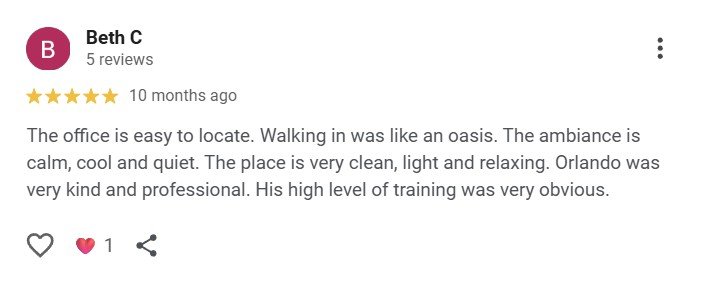
Philadelphia Lymph & Bodywork focuses on explanation-first care. Each session begins with a conversation about what you’re experiencing and what you’d like to understand. The treatment is then shaped around your body’s needs. The environment stays calm. The pacing remains steady. The approach is intentional. Clients often mention how helpful it is to understand what’s happening during the session, not just feel it.
Why Choose Philadelphia Lymph & Bodywork




















SUMMARY
The nervous system responds to how care is delivered, not just how strong it is. Gentle, rhythmic touch can support a shift toward a calmer state because of how the body interprets those signals. Manual lymphatic drainage uses this principle intentionally, working with both fluid movement and nervous system response. Understanding this connection helps explain why something that feels light can still feel meaningful. If you’re exploring manual lymphatic drainage in Philadelphia, Philadelphia Lymph & Bodywork offers an approach grounded in clarity, pacing, and individualized care.