
How to Best Use Manual Lymphatic Drainage

You’ve heard about Manual Lymphatic Drainage. Maybe a friend swears by it, your surgeon mentioned it, or you simply want to feel less puffy and more comfortable in your body. But there’s another question worth asking: How should you actually use Manual Lymphatic Drainage to get the most from it?
The answer depends on why you’re booking.
Key Takeaways
Wellness, post-surgical recovery, and diagnosed conditions require different approaches.
One session can introduce you to MLD, while a series can provide greater consistency for specific goals.
Philadelphia Lymph & Bodywork offers Series of 3 and 5 MLD sessions with BioMat, giving clients structured options based on their goals.
Table of contents
What Is the Best Way to Use Manual Lymphatic Drainage?| MLD for General Wellness, Puffiness, and Feeling Heavy |MLD for Post-Surgical Recovery and Diagnosed Conditions
How Often Should You Get Manual Lymphatic Drainage?| Why a Series of MLD Sessions May Make More Sense|What Should You Do Between MLD Sessions?
Where Can I Get Manual Lymphatic Drainage?| What Clients Are Saying on Google
What Is the Best Way to Use Manual Lymphatic Drainage?

One of the biggest misconceptions about Manual Lymphatic Drainage (MLD) is that everyone should use it the same way. They shouldn't. Someone recovering from cosmetic surgery has very different needs from someone managing diagnosed lymphedema. And both of those clients are different from the person who simply says, "I've been feeling puffy and heavy lately, and I'd like to try lymphatic drainage." The technique may share the same foundation, but the reason you're coming in should help shape the treatment plan.
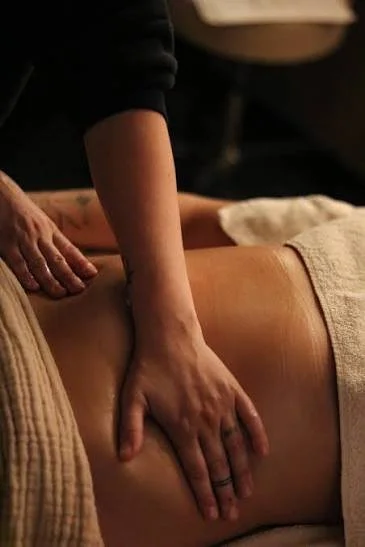
Manual Lymphatic Drainage is a specialized, gentle technique that uses light, rhythmic movements to encourage lymph fluid along appropriate pathways.
Unlike traditional massage, the goal isn't to knead muscles or work out a stubborn knot with deep pressure. That distinction matters. The lymphatic system helps maintain fluid balance in the body and plays a role in immune function. When lymphatic function is disrupted, fluid can accumulate in tissues and contribute to swelling. MLD is used clinically as one component of care for certain forms of lymphedema, although research shows its effectiveness varies depending on the condition, severity, and other treatments being used.
So, rather than asking, "Is lymphatic drainage good for me?" it can be more helpful to ask: "What am I hoping to accomplish with lymphatic drainage?" That question gives your therapist somewhere to start.
MLD for General Wellness, Puffiness, and Feeling Heavy
You do not necessarily need to be recovering from surgery to be interested in lymphatic drainage. Some clients come in because they feel puffy or heavy. Others have been traveling, sitting for long periods, or simply want to explore MLD as part of a broader wellness routine. Then there are clients preparing for something.
Imagine someone getting married in a few weeks. The dress is ready. The photographer is booked. The seating chart has somehow become a small international crisis. They feel puffy and want to feel more comfortable going into the big day. That client's needs are quite different from someone recovering from surgery.
For a wellness-focused client, MLD may be approached as periodic supportive bodywork rather than medical treatment. Depending on the person's goals and health history, sessions can focus on general lymphatic movement and relaxation. The important part is having realistic expectations. MLD does not "cleanse" the body in the way juice cleanses and social media detox trends sometimes suggest. Your liver, kidneys, gastrointestinal system, lungs, skin, and lymphatic system all participate in the body's normal processes for handling waste and maintaining balance. Think of MLD as supporting movement rather than hitting a reset button.
For someone interested in ongoing wellness, a therapist may suggest starting with a short series and then reassessing. Other clients may find that an occasional session fits their goals.
MLD for Post-Surgical Recovery and Diagnosed Conditions
This is where the conversation becomes more individualized. Surgery can temporarily disrupt normal fluid movement as the body responds to tissue trauma and healing. Swelling after surgery is expected to some degree, but some clients are referred for Manual Lymphatic Drainage as part of their recovery plan.
If you've recently undergone cosmetic or another surgical procedure, your surgeon or medical team should guide when supportive bodywork is appropriate. Your MLD provider should also understand post-surgical care rather than treating the appointment like an ordinary massage. Diagnosed lymphedema requires an equally thoughtful approach. Manual Lymphatic Drainage is one component used within decongestive lymphatic therapy for lymphedema. A broader care plan may also involve compression, exercise, skin care, self-management strategies, and medical supervision. For clients living with a diagnosed lymphatic condition, the goal may be management and maintenance, with frequency determined by the condition, symptoms, medical recommendations, and how the individual responds.
How Often Should You Get Manual Lymphatic Drainage?
This is usually where people want a number. "Okay, but how many sessions do I actually need?" Fair question.
Unfortunately, the most responsible answer is: it depends on what you're trying to accomplish. Scheduling a treatment can be a good introduction to MLD. It allows you to experience the technique, talk through your goals, and see how your body responds. But if you're working toward a specific goal, a planned series can provide something a scattered appointment cannot: consistency.
Here's a simple way to think about it:
How MLD May Fit
Begin with an individual session and discuss your goals
Occasional sessions or a short series based on your needs
A short series may provide more consistent support than isolated visits
Plan ahead rather than booking at the last minute
Frequency should follow your procedure, healing progress, therapist assessment, and surgeon's guidance
MLD may be incorporated into an individualized management plan alongside other recommended care
Frequency can be adjusted based on symptoms, goals, and response
Your Goal
Trying MLD for the first time
General wellness
Temporary feelings of puffiness or heaviness
Preparing for a major event
Cosmetic surgery recovery
Diagnosed lymphedema
Long-term maintenance
Why a Series of MLD Sessions May Make More Sense
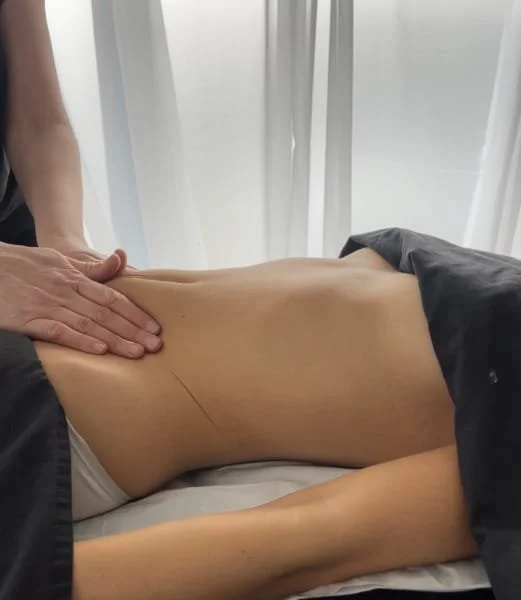
For clients who need ongoing support, a series provides continuity. Your therapist gets to see how your body responds from one appointment to the next and can adjust the treatment accordingly. This is especially relevant when you're addressing something that didn't appear overnight.
At Philadelphia Lymph & Bodywork, MLD Series of 3 and Series of 5 options give clients a structured way to receive multiple treatments instead of approaching each appointment as an isolated experience.
A Series of 3 may make sense for someone who wants a focused introduction to consistent MLD or has a short-term wellness goal.
A Series of 5 provides a longer treatment window and may make more sense for clients whose goals benefit from additional continuity.
For medical conditions or post-surgical care, however, the number and timing of sessions should never be determined by a package alone. Your condition, medical guidance, recovery stage, and response to treatment come first.
What Should You Do Between MLD Sessions?
Your therapist gets an hour with you. Your body gets the other 167 hours of the week. What happens between appointments matters. Simple movement is one of the most practical ways to support normal lymph movement because the lymphatic system doesn't have a central pump comparable to the heart. Muscle contractions and changes in pressure created through movement and breathing contribute to lymph transport.
Depending on your health and medical restrictions, supportive habits may include:
Regular walking and comfortable daily movement
Staying appropriately hydrated
Getting adequate sleep
Following post-operative instructions from your surgeon
Paying attention to changes in swelling, discomfort, skin condition, or other symptoms
And don't try to "speed things up" with aggressive massage at home. MLD is gentle for a reason. If you have lymphedema, are recovering from surgery, or have another medical condition, ask your qualified provider which self-care techniques are appropriate before experimenting. Consistency beats intensity.

Where Can I Get Manual Lymphatic Drainage?
If you're looking for Manual Lymphatic Drainage in Philadelphia, Philadelphia Lymph & Bodywork offers personalized MLD for clients with different needs—from general wellness and feelings of heaviness or puffiness to post-surgical recovery and ongoing support for diagnosed lymphatic conditions.
The important part isn't simply finding someone who offers lymphatic drainage. It's finding a practitioner who understands that the same treatment plan doesn't make sense for every person who walks through the door. Your reason for booking matters. At Philadelphia Lymph & Bodywork, your session begins with understanding what brought you in, what you're experiencing, and what you hope to get from treatment. From there, Orlando can determine how MLD may fit into your care.

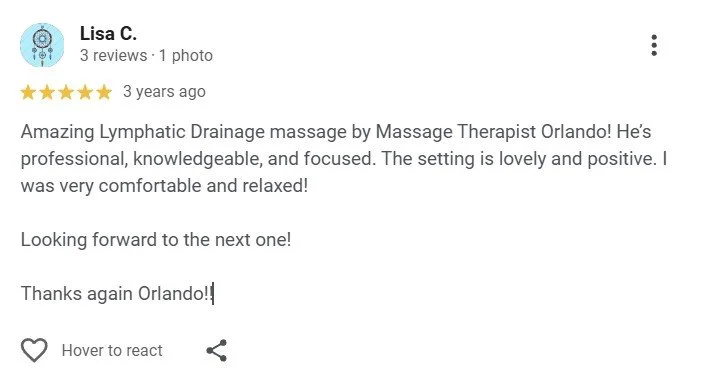
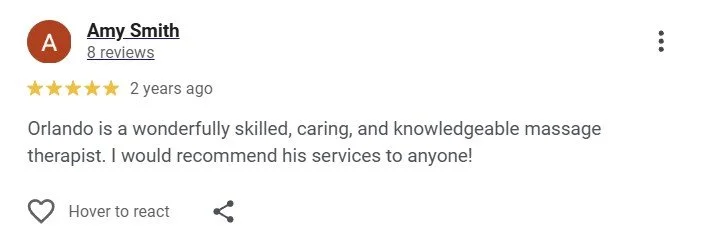
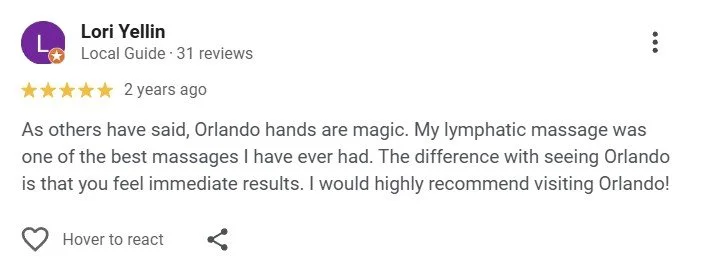
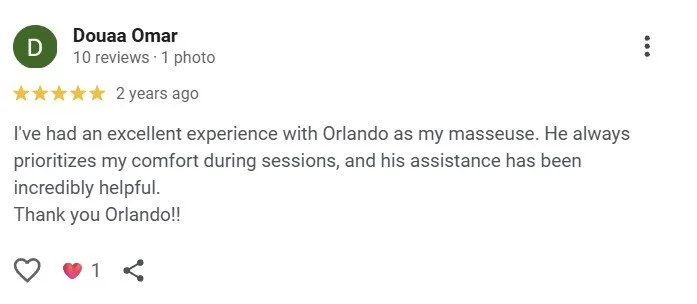
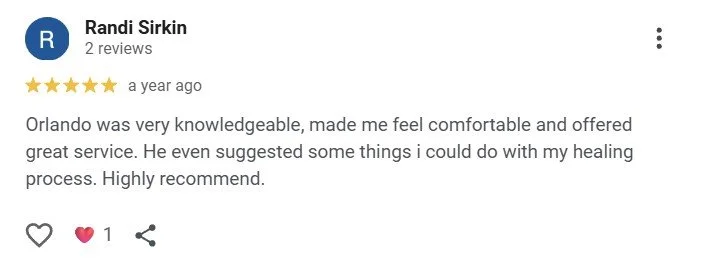
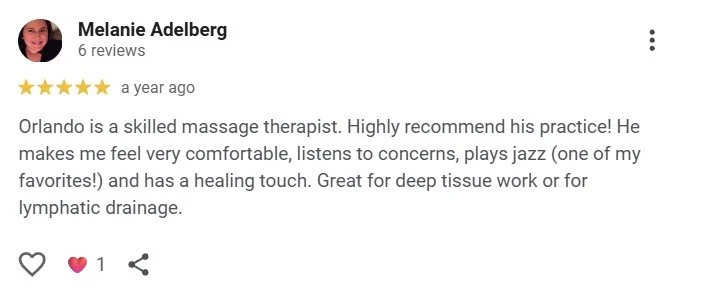
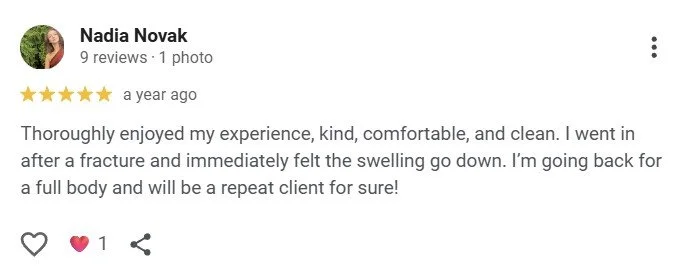
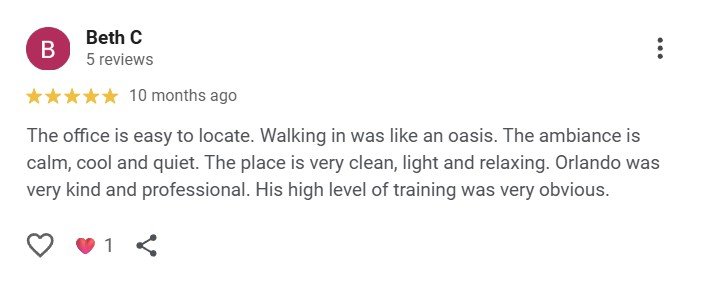
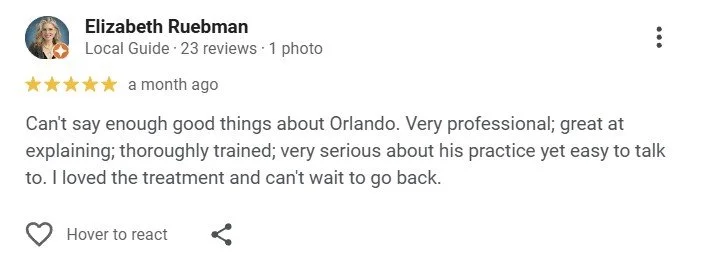
What Our Clients Saying on Google
Client experiences often highlight a few consistent themes.
People describe feeling more at ease during and after sessions. They mention appreciating the slower, intentional pace of care. There’s also a strong emphasis on feeling informed, understanding what’s happening rather than guessing.
Over time, these consistent experiences tend to build trust in the process. That sense of trust often becomes part of the overall outcome.












Booking & Next Steps
If you’re considering manual lymphatic drainage, your first session can simply be a way to explore how your body responds.
SUMMARY
If you've been curious about lymphatic drainage but weren't sure how to use it, start by identifying what you want support with. From there, we can help determine whether an individual appointment or treatment series makes sense.