
Your Autonomic Nervous System and Manual Lymphatic Drainage: The Calm Connection

Some people walk out of a manual lymphatic drainage session and say they feel lighter. Others pause for a second and say they feel quieter, steadier, more settled than when they walked in. It’s the kind of shift that’s hard to explain but easy to notice once it happens. That change isn’t only about fluid movement.
It often reflects how your nervous system is responding to what it’s experiencing. Your body is constantly scanning for pace, pressure, rhythm, environment and deciding whether it can relax or needs to stay alert.
This article is for anyone curious about that connection, especially if you’re exploring manual lymphatic drainage in Philadelphia. We’ll break down what the autonomic nervous system does, how the body moves between stress and rest, and why gentle, predictable touch can support a calmer internal state. At Philadelphia Lymph & Bodywork, understanding is part of the care. Because once you know what your body is doing, it’s easier to trust what you’re feeling.
Key Takeaways
The autonomic nervous system regulates stress and relaxation responses
The body shifts between alert and settled states throughout the day
Gentle, rhythmic touch can influence how safe the body feels
Manual lymphatic drainage supports both fluid movement and nervous system ease
Feeling calm during a session is part of how the body processes support
Table of contents
What Is the Autonomic Nervous System?| How the Body Shifts Between Stress and Rest |Why Gentle Touch Affects the Nervous System
How Manual Lymphatic Drainage Connects to This Process| What Clients May Notice During and After a Session
Looking for Manual Lymphatic Drainage in Philadelphia? | Why Choose Philadelphia Lymph & Bodywork | What Clients Are Saying on Google
What Is the Autonomic Nervous System?

The autonomic nervous system is the part of your body that handles everything you don’t consciously control. It regulates your heart rate, breathing, digestion, and how your body responds to stress.
You can think of it as a background system that helps your body adjust to what’s happening around you. It operates through two general modes. One leans toward alertness and readiness. The other supports rest, recovery, and a sense of ease. Both are necessary. Your body needs to shift between them throughout the day.
The key is balance. When this system moves smoothly between those states, the body tends to feel more regulated. When it stays in a heightened state for too long, people often notice tension, fatigue, or a sense that it’s hard to fully relax. Understanding this system gives context to how your body feels—not just physically, but overall.

How the Body Shifts Between Stress and Rest
Your body naturally moves between states of activation and states of recovery.
During busy periods, work deadlines, travel, constant notifications—the body leans toward an “on” mode. This is often described as a stress-response state. You’re focused, alert, and ready to react.
Then there are moments when the body can shift into a more settled state. Breathing slows. Muscles release tension. You feel more grounded. This is the rest-response side of the system. Neither state is a problem on its own.
The challenge shows up when the body spends too much time in one mode, especially the activated state. Over time, that can feel draining. Sleep may feel less restorative. The body may carry more tension than usual. Most people don’t notice the shift happening. They just notice how they feel. Recognizing these patterns is the first step in understanding how to support better balance.
Why Gentle Touch Affects the Nervous System
Your body is constantly reading its environment. It pays attention to pressure, pace, rhythm, and predictability. These signals help the nervous system decide whether it can settle or needs to stay alert. Gentle, repetitive touch tends to be easier for the body to receive. It doesn’t demand a reaction. It doesn’t create urgency. Instead, it gives the system space to soften. You can think of it like a dimmer switch rather than a light switch. The change isn’t sudden, it’s gradual, steady, and controlled. This doesn’t mean other forms of bodywork aren’t useful. It just means that different approaches create different responses.
With manual lymphatic drainage, the technique is intentionally light and rhythmic. This combination aligns with how the body naturally shifts toward a calmer state. Feeling relaxed during a session isn’t random. It’s part of how the body processes that type of input.
How Manual Lymphatic Drainage Connects to This Process
Manual lymphatic drainage (MLD) is designed to work with the body’s natural systems, both physically and neurologically.
The technique uses light, structured, and rhythmic movements that follow the pathways of the lymphatic system. These movements support fluid flow, but they also provide consistent, predictable input that the nervous system can respond to. Because the pressure is gentle, the body doesn’t interpret it as a signal to brace or react. Instead, it often shifts toward a more settled state. This is where the connection comes in.
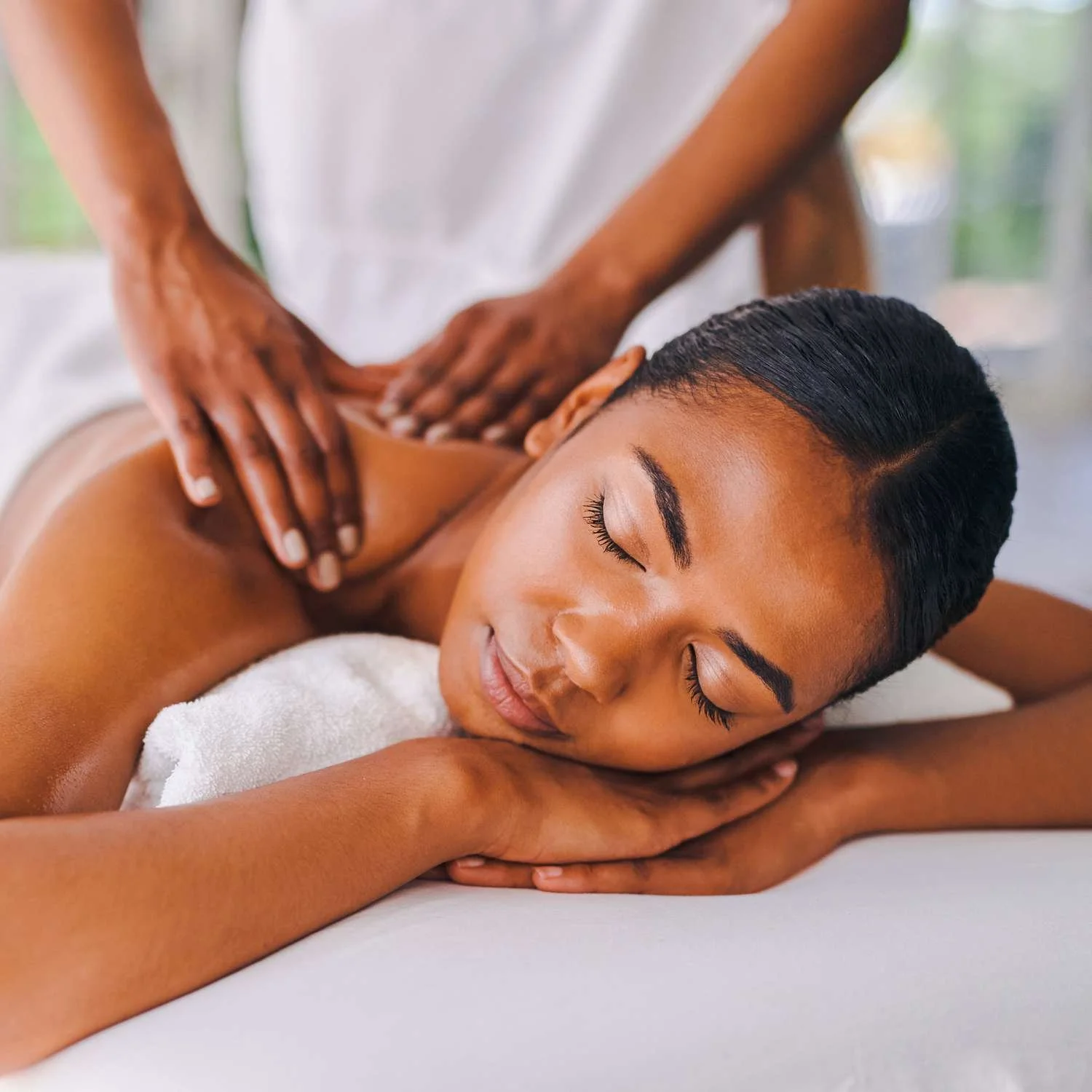
MLD can support the autonomic nervous system by encouraging a move away from constant activation and toward a more balanced, steady rhythm. Research observations have shown that lymphatic work, especially around areas like the neck, can be associated with temporary reductions in heart rate and blood pressure, both signs of the body settling.
For those exploring manual lymphatic drainage Philadelphia services, this dual effect, supporting fluid movement and a calmer internal state is part of what shapes the experience. The technique isn’t trying to force anything. It’s working with how the body already responds.
What Clients May Notice During and After a Session
The experience of manual lymphatic drainage often feels subtle but noticeable. During a session, some people notice their breathing slow down. Others feel their body soften, as if tension is gradually releasing without effort. There’s often a sense of stillness that builds over time. After the session, the feedback varies.
Some people feel lighter, especially in areas that previously felt heavy or congested. Others describe feeling more present or clear-headed. Some notice they sleep more deeply that night. There can also be physical responses like increased urination or a sense that the body is processing fluid differently.
Not everyone experiences the same shifts, and that’s important to understand. Some people feel changes right away. Others notice them gradually over multiple sessions. There’s no “right” way to feel. The goal isn’t to chase a specific outcome. It’s to allow the body to respond in its own way and pace.

Looking for Manual Lymphatic Drainage Treatments in Philadelphia?
Philadelphia offers many options for bodywork, which can make it difficult to know where to begin. When it comes to lymphatic drainage, the approach matters as much as the service itself.
This work depends on understanding both the physical and experiential side of care. It’s not just about technique, it’s about how that technique is applied and explained. Choosing a provider who prioritizes clarity can make the process feel more grounded and less uncertain.
Why Choose Philadelphia Lymph & Bodywork
Philadelphia Lymph & Bodywork focuses on explanation-first care. Each session begins with understanding what you’re feeling and what you’re hoping to learn. From there, the treatment is shaped around your body’s needs, not a fixed routine.
The pacing stays steady. The environment stays calm. The approach remains intentional. Clients often mention how supported they feel, not just physically, but in understanding what’s happening during the session.

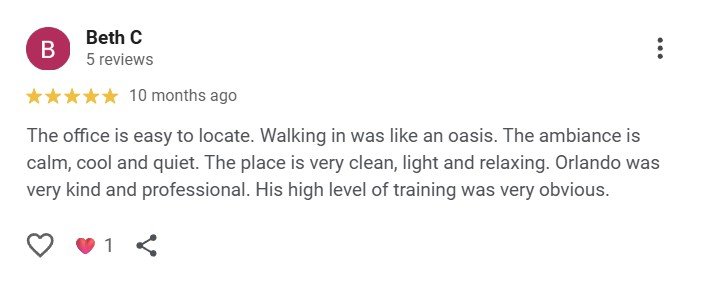
What Our Clients Saying on Google
Client experiences often highlight a few consistent themes.
People describe feeling more at ease during and after sessions. They mention appreciating the slower, intentional pace of care. There’s also a strong emphasis on feeling informed, understanding what’s happening rather than guessing.
Over time, these consistent experiences tend to build trust in the process. That sense of trust often becomes part of the overall outcome.




















Booking & Next Steps
If you’re considering manual lymphatic drainage, your first session can simply be a way to explore how your body responds.
SUMMARY
Manual lymphatic drainage can support a calmer internal state because of how the body responds to gentle, rhythmic care. The autonomic nervous system plays a central role in how you experience that shift. When you understand how this system works, the sensations during and after a session start to make more sense.
What feels like “just relaxation” often reflects a deeper process of the body settling and recalibrating. If you’re exploring manual lymphatic drainage in Philadelphia, Philadelphia Lymph & Bodywork offers a space where that understanding is part of the experience.